
For years, the rental application process has been stuck in a repetitive loop. You find an apartment, pay an application fee, and the landlord runs a renter credit and background check. Then you do it all over again at the next place. This one-and-done approach is inefficient and costly, especially for renters. Thankfully, the process is evolving. A smarter way to handle screening is emerging, one that saves everyone time and money. This guide will explain the fundamentals of tenant screening reports while also introducing you to how modern solutions are changing the game for both renters and landlords.
If you’ve ever applied for an apartment, you’ve likely encountered a renter credit and background check. Think of it as a standard part of the rental process—a way for landlords to verify the information on your application and get a clearer picture of your reliability as a potential tenant. The main goal is to assess financial responsibility and ensure you’re a good fit for the property before signing a lease. It helps landlords protect their investment and gives them peace of mind that they’re choosing a responsible person to live in their property.
Landlords screen tenants to minimize the risks that come with renting out a property. They’re running a business, and their property is a significant asset. A thorough screening helps them find tenants who are likely to pay rent on time, take good care of the home, and follow the terms of the lease. Skipping this step can lead to major headaches like late payments, property damage, or costly evictions. Getting tenant screening right is one of the most critical steps in rental property management, as it sets the foundation for a positive landlord-tenant relationship from the very beginning.
So, what exactly are landlords looking at? They typically use a dedicated tenant screening report that pulls together several key pieces of information. This isn't just a simple credit check; it’s a comprehensive look at your history. You can expect the report to include your credit history and score, any public records like bankruptcies, a nationwide criminal background check, and a search for any past evictions. Landlords will also verify your income and employment to make sure you can comfortably afford the rent. It’s all about building a complete picture to make an informed decision.
Let’s clear the air on a few things. First, it's a common misconception that having a landlord run a credit check will hurt your score. Tenant screening checks are considered "soft inquiries," which don't impact your credit rating like applying for a new loan does. Another myth is that a high credit score automatically makes you the perfect tenant. While a good score is definitely a plus, landlords know it’s not the whole story. They look at your entire report—including rental and employment history—to understand your overall reliability, not just a single number.
When you apply for a rental, the landlord needs a reliable way to get to know you beyond your application. That’s where a tenant screening report comes in. Think of it as a background check specifically for renters. It’s a collection of documents that gives a landlord a well-rounded view of your history as a tenant and consumer, helping them make a fair and informed decision. For you, understanding what’s inside this report takes the mystery out of the approval process and empowers you to put your best foot forward.
A comprehensive report isn’t just one thing; it’s a package of information that usually covers four key areas. Landlords will review your credit history, run a criminal background check, look for any past evictions, and verify your income and employment. Each piece tells a part of your story, and together, they help a landlord feel confident they’re choosing a responsible tenant who will pay their rent on time and be a good neighbor. Let’s break down exactly what each of these sections contains.
Landlords use a credit check to see how you've managed your finances in the past. It’s their best tool for predicting if you'll be a reliable tenant who pays rent on time. They’re looking at your payment history for things like credit cards and loans, how much debt you carry, and any major issues like bankruptcies or accounts sent to collections. It’s more than just a three-digit score; it’s a detailed look at your financial habits. A strong credit history shows you’re responsible with your obligations, which is a great sign for any landlord.
A criminal background check is a standard part of the screening process, as landlords have a responsibility to maintain a safe environment for all their tenants. This report scans national and local databases for a history of criminal convictions. Landlords typically focus on serious offenses that could pose a risk to the property or community. It’s important to know that having a record doesn’t automatically disqualify you. Many landlords consider the nature of the offense and how long ago it occurred, often following Fair Housing Act guidelines to ensure their review is fair.
For a landlord, a past eviction is one of the biggest red flags. An eviction report, which is pulled from public court records, shows if a previous landlord ever had to formally and legally remove you from a property. This history can significantly impact a landlord’s decision because it suggests a serious breach of a past lease agreement, whether due to non-payment of rent or other major issues. Understanding the eviction process can help you appreciate why landlords view this part of the report so seriously, as it’s a direct indicator of past rental reliability.
This step is simple: a landlord needs to confirm you can comfortably afford the rent. They want to see that you have a steady and sufficient source of income to cover your monthly payments without financial strain. A common rule of thumb is that your gross monthly income should be at least three times the rent. You’ll typically be asked to provide recent pay stubs, an offer letter from a new job, or tax returns and bank statements if you’re self-employed. This check simply confirms that you have the financial stability to meet your rental obligations each month.
Finding the right tenant screening service can feel overwhelming with so many options available. Each one works a little differently, offering various reports and features for both renters and landlords. Understanding the key players and what they provide is the first step to making an informed choice. Whether you’re a renter looking to save on application fees or a landlord seeking a reliable report, it helps to compare the most common services side-by-side. The main difference often comes down to who initiates the report and how many times you can use it. Traditional services are typically started by a landlord for a specific property, meaning you pay a new fee for every application you submit. This can add up quickly. Newer models, like portable reports, put you in control, allowing you to buy one report and share it with multiple landlords. This distinction can have a big impact on your budget and how quickly you can secure a new place. Let's break down some popular options and what you should look for when picking a service.
A Portable Tenant Screening Report (PTSR) is a game-changer for renters. Instead of paying for a new background check with every application, you order one comprehensive report and can reuse it with multiple landlords. This model saves you significant time and money during your apartment search. A PTSR typically includes your credit, criminal, and eviction histories. You have complete control over your information and can share your report securely when you choose. In states like Colorado and Illinois landlords are legally required to accept PTSRs, making the process even smoother. This approach streamlines applications and puts you in the driver's seat of your rental journey.
TransUnion SmartMove is a well-known screening service that landlords often use to request reports directly from applicants. When a landlord invites you to apply through SmartMove, you authorize the check, and the service sends the report to them. It provides landlords with detailed information, including a credit report, criminal background check, and eviction history, to help them make a decision. Unlike a PTSR, a SmartMove report is typically for a single use and is initiated by the landlord for a specific property. This means if you apply to multiple places using this service, you'll likely have to pay for a new report each time.
RentPrep is another service that landlords turn to for detailed tenant screening. They offer several packages that can include credit checks, nationwide criminal and eviction data, and even income verification. One of their standout features is that they use certified screeners to review reports, which can help ensure accuracy. Similar to other traditional services, RentPrep is designed for landlords to order a report on a specific applicant for a single property. While it’s known for being thorough, renters will find that the report is not portable, meaning it can’t be reused for other applications, and a new fee is required for each new landlord who uses the service.
TenantCloud offers a broad platform for landlords that goes beyond just screening. It’s a property management tool that includes features for collecting rent, managing maintenance requests, and screening tenants. When a landlord uses TenantCloud, they can request a screening report from you as part of the application process. The service provides standard background, credit, and eviction information to help the landlord evaluate your application. While it integrates the screening into a larger management system for the landlord’s convenience, the report you pay for is tied to that specific application and isn't designed to be shared with other property managers.
When you’re deciding on a screening service, a few key factors can help you make the right choice. First, check for comprehensiveness—does the report include everything a landlord needs, like credit, criminal, and eviction histories? Next, consider the user experience. The process should be simple and straightforward for both you and the landlord. Cost is another major factor; look at the price per report and be aware of any hidden fees. Finally, ensure the service complies with all federal and state laws, especially if you're in a state with specific PTSR regulations.
When you’re apartment hunting, application fees can feel like they come out of nowhere. A big chunk of that fee usually goes toward the tenant screening report. While the cost can vary, understanding the breakdown helps you budget and spot a fair deal. The good news is that these reports are generally affordable, and knowing what to expect can make the process much smoother. Whether you’re a landlord running a check or a renter paying an application fee, here’s what you need to know about the costs involved.
So, what’s the price tag? Tenant screening services typically start at around $19.95 for a basic report. The final cost really depends on how comprehensive the check is. A simple credit report will cost less than a full background check that includes nationwide criminal and eviction histories. The best services offer clear, upfront pricing so you can see exactly what’s included. This transparency means you won’t be surprised by the final bill and can choose the level of screening that makes the most sense for your needs. It’s all about finding that sweet spot between getting the information you need and staying within your budget.
This is a common question, and the answer is: it depends. The cost can be covered by either the landlord or the prospective tenant. In most cases, landlords pass the cost on to applicants as part of the application fee. If you’re a renter, this might sound familiar. You pay one fee that covers the landlord’s time and the price of the screening report. This is where a portable report can be a game-changer. Instead of paying for a new report for every apartment you apply to, you can purchase one report and share it multiple times, saving you serious cash and streamlining your search.
When you’re choosing a screening service, keep an eye out for hidden costs. Some companies might try to lock you into a subscription or charge extra setup fees. A trustworthy service will be straightforward about its pricing. Reputable providers, including services like TransUnion SmartMove, don’t require memberships or have minimums on how many checks you can run. Always read the fine print and stick with companies that are transparent. This helps you avoid unexpected charges and ensures a much more positive experience for everyone involved, whether you're the one applying or the one reviewing the application.
The rental application process isn't a free-for-all. A framework of laws and regulations exists to protect both renters and landlords, ensuring the process is fair and transparent. Whether you're looking for your next home or screening potential tenants, understanding these rules is key to a smooth and lawful experience. It’s all about knowing what to expect, what your responsibilities are, and what rights you have every step of the way.
Landlords can't just make up their screening criteria on the fly. In many states, the law requires landlords to provide potential tenants with a written notice of their selection rules. This transparency is crucial because it sets clear expectations from the start. As a landlord, establishing and sharing your criteria—such as minimum credit score, income requirements, and criminal history policies—not only helps you find the right tenant but also ensures you’re complying with fair housing laws. This practice protects you legally and helps build a foundation of trust with applicants from the very beginning.
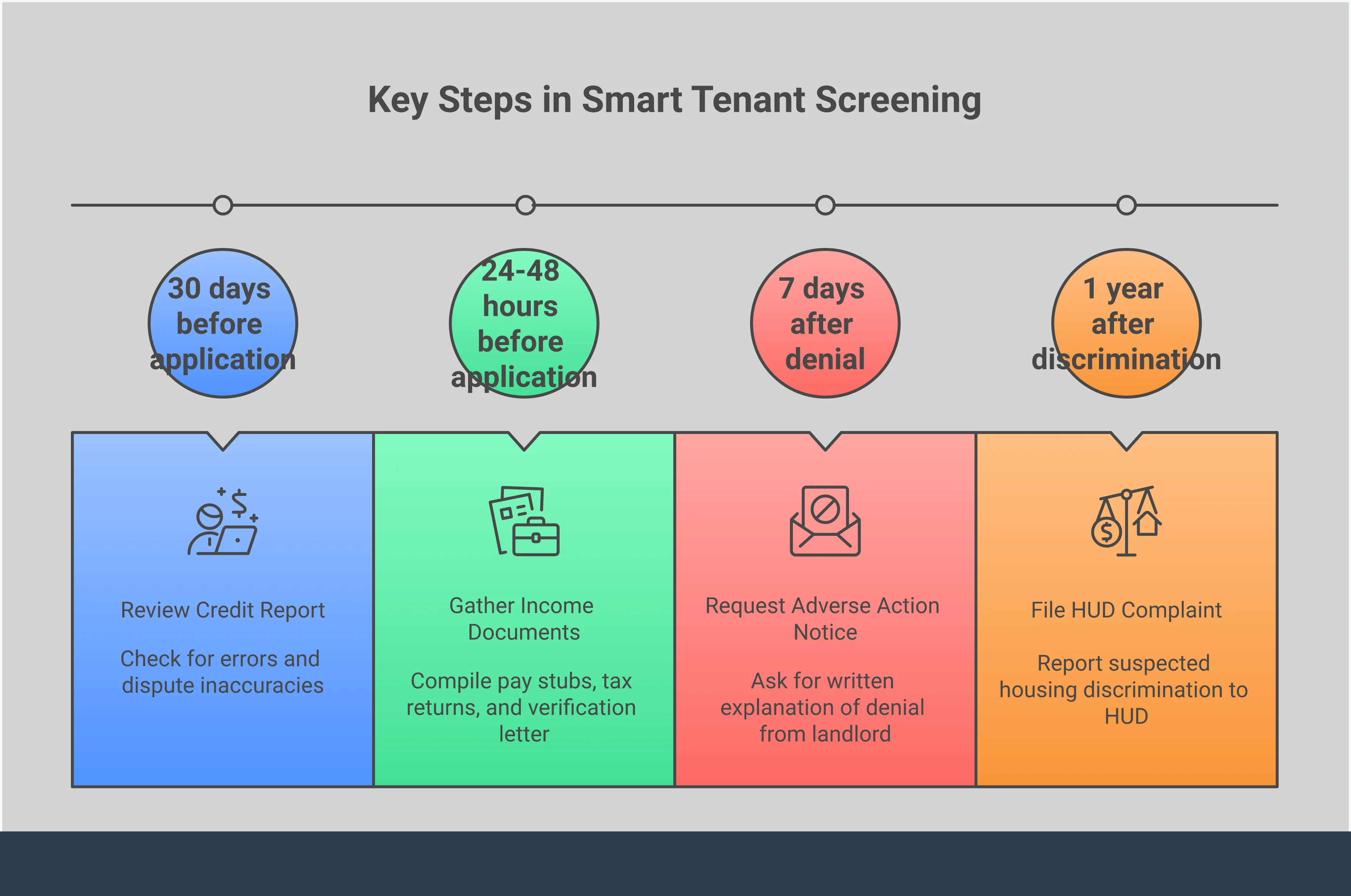
A landlord can’t run a background check on you without your permission. You must provide written consent first which most screening providers take care of. Furthermore, if a landlord decides to deny your application, charge a higher rent, or require a larger deposit because of something in your screening report, they are legally required to tell you. This is called an adverse action notice. They must also provide the name, address, and phone number of the company that supplied the report. This gives you the chance to see the information for yourself and dispute any inaccuracies.
Finding out you were denied housing because of incorrect information on a background check is frustrating and unfair. As a renter, you have the right to an accurate report. You also have the right to see what’s in your report and to dispute any errors you find. This is why using a portable tenant screening report can be so powerful. It puts you in control of your own data. You can review your information for accuracy before you even apply, share it securely with multiple landlords, and correct any mistakes, ensuring you put your best foot forward every time.
If you find an error in your screening report, don't panic—take action. First, get a copy of the report from the screening company. Carefully review it for common mistakes related to your credit history, criminal records, or eviction history. If you spot an error, contact both the screening company that created the report and the original source of the information (like the credit bureau or courthouse) to dispute it. The Consumer Financial Protection Bureau provides clear steps for this process. Document everything in writing to create a paper trail.
For a smoother screening process, both parties can adopt some best practices. Landlords should consistently apply their screening criteria to every applicant to avoid discrimination claims and thoroughly vet everyone before signing a lease. Renters should review their own credit and background reports ahead of time to catch any potential issues. Using a secure, reusable report saves everyone time and money. By being proactive and transparent, landlords can find reliable tenants, and renters can secure their next home with confidence and peace of mind. You can find more tips on our blog.
Will getting a tenant screening check lower my credit score? This is a very common concern, but you can relax. Tenant screening checks are considered "soft inquiries," which are different from the "hard inquiries" made when you apply for a new credit card or loan. Soft inquiries do not affect your credit score at all, so you can apply for multiple apartments without worrying about any negative impact on your credit rating.
What if my credit isn't perfect? Can I still get approved for an apartment? Absolutely. While a high credit score is helpful, most landlords understand that it's just one piece of the puzzle. They typically look at your entire financial picture, including your payment history, income stability, and past rental experiences. A lower score might be offset by a steady job, a consistent record of paying rent on time, or a willingness to provide a larger security deposit. Landlords are looking for responsible tenants, not a perfect number.
Why should I use a portable report instead of just letting each landlord run their own check? The biggest reasons are saving money and gaining control. When each landlord runs their own check, you pay a new application fee every single time, which can add up fast. With a portable report, you pay once and can share that same comprehensive report with multiple landlords. It also allows you to see your own information first, so you can correct any errors before a landlord even sees it, ensuring you're always putting your best foot forward.
As a landlord, why should I accept a report from a renter instead of running my own? Accepting a portable report can streamline your entire application process. You receive a complete, compliant, and verified report from a trusted source instantly, which helps you fill vacancies faster. It also shows that you're respecting modern rental laws in states that require you to accept them. Since the renter pays for the report, it reduces your administrative burden and costs while still giving you all the essential information you need to make a confident decision.
What's the first thing I should do if I think there's an error on my report? If you spot something that doesn't look right, your first step is to contact the screening company that generated the report. You have a right to a copy of the report and to dispute any information you believe is inaccurate. They will guide you through their formal dispute process, which typically involves contacting the original source of the data, like a credit bureau or courthouse, to get the error corrected.