
The rental market moves quickly, and relying on slow, outdated methods can mean losing the best applicants to another property. A modern approach to tenant screening makes the entire process faster, simpler, and more effective for both you and your potential renters. Instead of dealing with piles of paperwork, you can receive a comprehensive, easy-to-read report in minutes. This efficiency is a game-changer, allowing you to make quick, informed decisions and fill your vacancies with qualified tenants before your competition does. A streamlined tenant screening system is the key to running a more profitable and less stressful rental business.
Think of tenant screening as the foundation of a successful rental business. It’s the process of reviewing a potential renter’s background information to help you decide if they’re a responsible and reliable choice for your property. This isn’t about being invasive; it’s about making an informed business decision. A consistent screening process allows you to verify an applicant's identity, financial stability, and rental history, giving you a clear picture of who you’re handing the keys to. It helps you answer critical questions: Does this applicant have a history of paying on time? Have they been a responsible tenant in the past? Can they comfortably afford the rent?
A thorough screening sets the stage for a positive landlord-tenant relationship from day one. When you have confidence in your tenant’s ability to pay rent and care for your property, it reduces stress for everyone involved. Modern screening services have streamlined this entire process, making it faster and more secure for both you and your applicants. By using a comprehensive report, you can move forward with a lease agreement knowing you’ve done your due diligence. This single step is one of the most effective ways to protect your asset, secure your income, and operate a professional rental business.
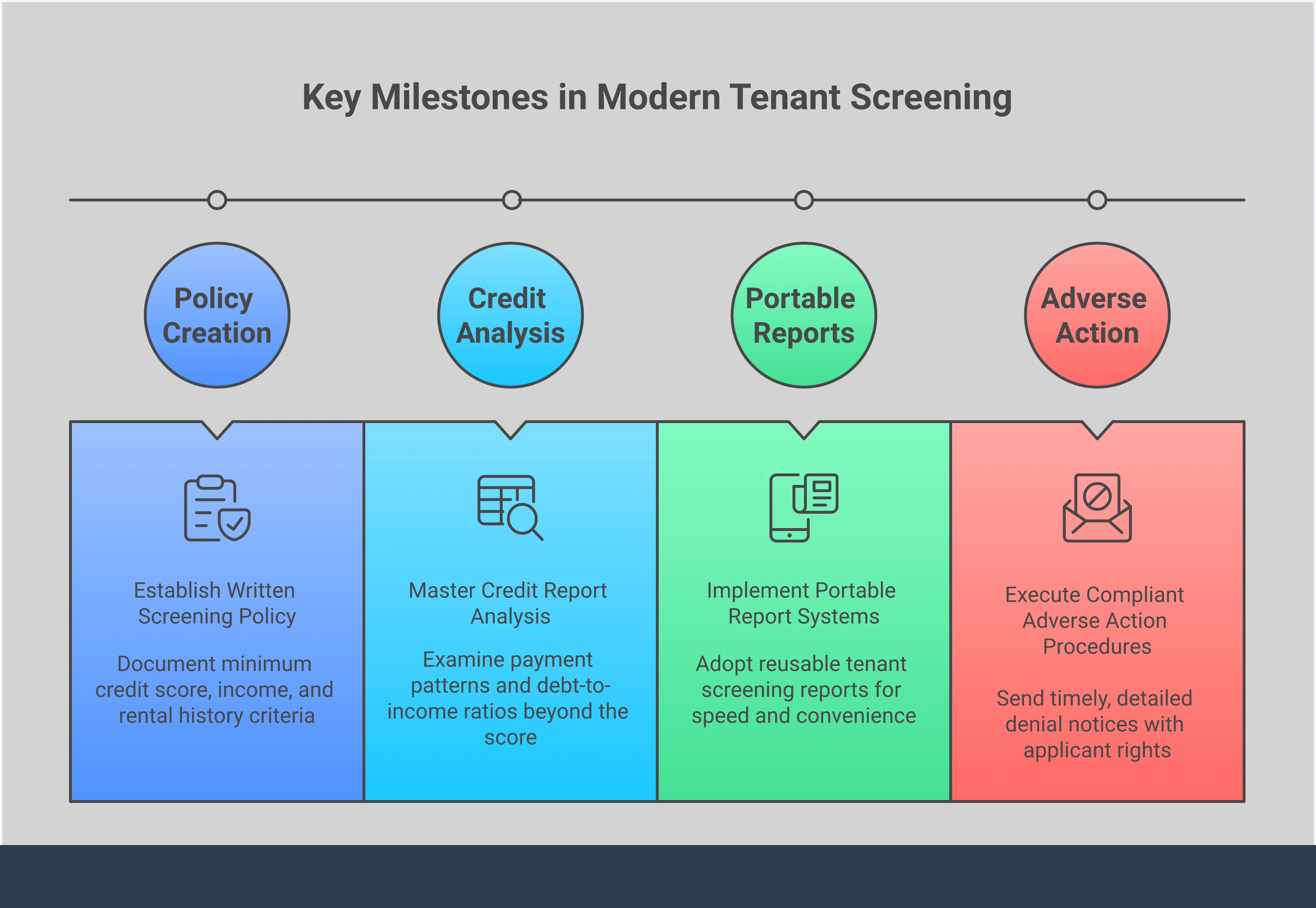
Your rental property is a significant financial investment, and protecting it should be your top priority. Tenant screening is your first line of defense against potential issues that can cost you time, money, and peace of mind. A detailed background check helps you spot red flags that could lead to late rent payments, property damage, or a costly eviction process down the road. By reviewing an applicant’s credit and rental history, you gain valuable insight into their track record of financial responsibility. This isn’t about judging their past, but rather about assessing risk and making a decision that safeguards your property for the future.
The ultimate goal of filling a vacancy isn’t just to get someone in the door—it’s to find a great tenant who pays on time, respects your property, and wants to stay for a while. A solid screening process is the best tool for identifying these individuals. When you find a reliable, long-term renter, you create a stable stream of income and dramatically reduce turnover costs. Think about it: less time spent on advertising, showing the unit, and screening new applicants means more time and resources for you. By establishing clear criteria and using a comprehensive screening service, you set yourself up for a smoother, more profitable rental experience.
The legal landscape of being a landlord can feel complicated, but a proper screening process helps you stay on the right side of the law. It’s essential to apply the same screening criteria to every applicant to comply with the Fair Housing Act and avoid any appearance of discrimination. Using a professional, compliant screening service ensures you handle sensitive data securely and obtain the necessary consent from applicants. Furthermore, if you have to deny an applicant based on information in their report, there are specific legal steps you must follow. A good screening partner helps you manage these requirements correctly, minimizing your legal risk and taking the guesswork out of compliance.
A tenant screening report is your best tool for making an informed and fair leasing decision. Think of it as a complete file that gathers all the essential information you need in one place, helping you understand an applicant’s reliability and financial stability. Instead of just a credit score, a truly comprehensive report gives you a multi-faceted view, covering everything from financial habits to rental history. This complete picture allows you to choose a great tenant who will care for your property and pay rent on time, all while ensuring you follow a consistent and compliant process for every applicant.
A credit check is a standard part of any screening report, and it offers a window into an applicant's financial responsibility. It’s not just about the three-digit score; it’s about the story behind it. A detailed credit history shows you patterns of on-time payments, the amount of debt someone carries, and any major financial events like bankruptcies or accounts in collections. This information helps you gauge whether an applicant manages their finances well and is likely to prioritize rent payments. A comprehensive report powered by a trusted source like Experian gives you the clear, detailed data you need to assess financial health fairly and accurately.
Screening for criminal and eviction history is a crucial step in protecting your property and ensuring the safety of your community. A background check scans national databases for criminal records, while an eviction search shows if an applicant has a history of being legally removed from a property. When reviewing this information, it’s important to assess it fairly and in compliance with Fair Housing laws. Focus on convictions that are relevant to the safety of the property and other residents, rather than arrests alone. A consistent, well-documented policy helps you apply your criteria evenly to every applicant, reducing risk and promoting a safe environment for everyone.
Confirming that an applicant can comfortably afford the rent is fundamental to a successful tenancy. Income and employment verification does just that. This part of the screening process confirms an applicant's current employer, their position, and their stated income, ensuring they have a stable and sufficient financial flow to cover monthly rent. While the "3x the rent" rule is a common benchmark, the goal is simply to verify that the applicant won't be overextended by their rental obligation. Modern screening services for landlords can often automate this process, making it faster and more reliable than manually checking pay stubs and calling employers.
An applicant's past rental behavior is one of the best predictors of their future performance as a tenant. A thorough screening report will often include details on their rental history, including previous addresses and landlords. This information helps you spot any red flags, like gaps in their housing history or frequent moves. Contacting past landlords can provide invaluable insight into whether the applicant paid rent on time, took good care of the property, and followed the terms of their lease. A positive rental history is a strong indicator that you’ve found a trustworthy and responsible person to rent your property to.
With so many tenant screening services out there, picking the right one can feel like a chore. But the right service does more than just run a background check; it becomes a core part of your rental process, saving you time and helping you find qualified tenants faster. A great screening partner offers comprehensive reports, keeps you compliant with the law, and makes the experience smooth for both you and your potential renters. When you’re comparing options, it’s helpful to look beyond the basic credit and criminal checks. Think about the entire workflow, from the moment an applicant shows interest to when you hand over the keys. The goal is to find a service that provides accurate, detailed information in a way that’s efficient, secure, and fair for everyone.
Imagine a rental market where applicants don’t have to pay for a new background check for every single property they like. That’s the idea behind a portable tenant screening report. Renters can purchase one comprehensive report and share it with multiple landlords, which saves them money and time. For you, this is a huge plus. Applicants using a portable report are often more serious and prepared, and you get access to their information instantly. This model streamlines the entire application process, reducing the administrative burden on your end and helping you fill vacancies with qualified tenants who are ready to move forward. It’s a modern approach that makes renting simpler and more efficient for everyone involved.
When you’re evaluating a screening service, there are a few non-negotiables. First, ensure the reports are thorough. You need a complete picture, which includes a full credit report from a major bureau like Experian, a nationwide criminal and eviction history, and income verification. A top-tier service will bundle all of this into one easy-to-read report. The platform itself should also be user-friendly, allowing you to request screenings and view reports from anywhere. Look for a service that integrates the screening process directly with the rental application to keep all your information organized in one place. These are the features for landlords that make a real difference in managing your properties effectively.
Staying on the right side of the law is one of the most critical parts of being a landlord, and tenant screening is no exception. Any service you use must be fully compliant with the Fair Credit Reporting Act (FCRA), which governs how consumer information is collected and used. A reliable screening service builds these legal safeguards directly into its process, ensuring you get the information you need without violating applicant rights. This includes obtaining proper consent from the applicant and providing a secure platform to handle their sensitive data. Using a compliant service protects your investment and gives you peace of mind that you’re following fair and legal screening practices.
Your time is valuable, and vacancies cost you money. That’s why you need a screening service that delivers results quickly, often within minutes. Waiting days for a report can mean losing a great applicant to another property. Just as important is transparent pricing. Many of the best services are free for landlords, with the applicant paying a reasonable fee for their report. This model is ideal because it costs you nothing to get the information you need. Before you commit to a service, check its pricing structure to make sure there are no hidden fees or subscriptions. A straightforward, fast, and affordable service is the final piece of the puzzle for an efficient screening process.
Once you have a tenant screening report in hand, it can feel like you’re looking at a puzzle. But it’s not about a simple “yes” or “no”—it’s about understanding the complete picture of your applicant. A comprehensive report gives you the pieces you need to make an informed, fair, and confident decision. Breaking it down section by section helps you see the story behind the data, from financial habits to rental history.
Think of it as a structured conversation with your applicant's background. Each part of the report offers a different perspective. The credit history shows their financial responsibility, the criminal background check provides insight into their past conduct, and their rental and employment history demonstrates stability. By looking at these elements together, you can assess whether an applicant is a good fit for your property. A well-organized portable screening report lays all of this out clearly, so you can spend less time deciphering data and more time finding the right tenant.
It’s easy to get fixated on the three-digit credit score, but the real story is in the details of the credit report. A good score is great, but you need to look deeper to understand an applicant’s financial habits. Scan their payment history for patterns. Are they consistently on time with payments, or is there a history of late fees and missed deadlines, especially with rent or utilities? A few old medical bills in collections might not be a dealbreaker, but a recent history of unpaid rent is a major red flag.
Also, consider their overall debt. A high debt-to-income ratio could mean they’re financially overextended, which might make paying rent on time a challenge. A thorough report from a trusted source like Experian will give you this detailed view, helping you assess financial reliability beyond just one number.
When you get to the criminal history section, your guiding principle should be fairness and consistency. It’s essential to have a clear, written policy that you apply to every single applicant to stay compliant with the law. According to the Fair Housing Act, you cannot have a blanket policy of rejecting anyone with a criminal record. Instead, you need to conduct an individual assessment.
If a record appears, consider the nature of the crime, how long ago it occurred, and whether it’s relevant to their ability to be a good tenant. The goal is to evaluate potential risk to your property and the safety of other residents. A report will show you court records and case numbers if anything is found. By focusing on relevance and applying your criteria equally, you can make a fair decision while protecting your investment.
A screening report will show you an applicant’s stated income and employment, but your job doesn’t stop there. You should always verify this information independently. Ask the applicant for their two most recent pay stubs or bank statements to confirm that their income is consistent and matches what they listed on their application. A good rule of thumb is to look for a gross monthly income that is at least three times the monthly rent.
Don’t hesitate to contact the employer listed to confirm that the applicant works there, their start date, and their position. Red flags include pay stubs that look altered, an employer you can’t find online, or frequent job-hopping without a clear career progression. Stable employment and sufficient income are two of the strongest indicators that a tenant will be able to pay rent reliably.
The eviction and rental history section is perhaps the most direct predictor of a future tenant’s behavior. A past eviction is one of the biggest warning signs you can find on a report, as it indicates a legal history of failing to meet the terms of a lease. A comprehensive screening will search court records for any formal eviction filings, giving you a clear picture of any past issues.
Beyond formal evictions, it’s always a smart move to speak with an applicant’s previous landlords. Ask them simple questions: Did they pay rent on time? Did they take care of the property? Were there any complaints from neighbors? A positive review from a past landlord combined with a clean eviction record is a strong signal that you’ve found a responsible and reliable renter for your property.
Screening tenants is more than just a smart business practice—it’s a process governed by a web of laws designed to protect both you and your applicants. Getting this right from the start saves you from potential legal trouble and ensures you’re operating fairly and ethically. While it might seem like a lot to keep track of, understanding the key legal frameworks is straightforward. Federal, state, and even local laws all play a role, so it’s important to know which rules apply to your properties.
Think of these laws not as hurdles, but as your guide to building a fair and consistent screening process. Following them helps you treat every applicant equally, make informed decisions based on relevant criteria, and protect your rental business for the long haul. Let’s walk through the essential laws you need to have on your radar.
The Fair Credit Reporting Act (FCRA) is a federal law that sets the rules for how consumer information is collected and used in reports. Since tenant screening reports fall under this category, the FCRA applies directly to you. Its main purpose is to ensure the information used to evaluate applicants is accurate and handled confidentially.
Under the FCRA, you have a responsibility to use screening reports only for their intended purpose—evaluating a rental application. More importantly, the law gives applicants the right to see what’s in their report and dispute any information they believe is inaccurate. This transparency is key to a fair process and helps build trust with potential renters from day one.
The federal Fair Housing Act is the cornerstone of anti-discrimination law in housing. It prohibits you from refusing to rent to someone based on their race, color, religion, sex, national origin, disability, or familial status (having children). Many states and cities have expanded these protections to include other classes, like marital status or sexual orientation, so be sure to check your local laws.
The best way to comply is to establish clear, written rental criteria and apply them consistently to every single applicant. For example, if you require a certain credit score or income-to-rent ratio, that standard must be the same for everyone. This consistency is your best defense against any claims of discrimination and ensures you’re making decisions based on business reasons, not personal biases.
Before you run any background checks, you must get clear, written permission from the applicant. This is a non-negotiable first step. Using a service that integrates the application and consent form makes this simple and easy to track.
If you decide to deny an applicant based on information found in their screening report, you must follow a specific process called providing an "adverse action notice." This notice informs the applicant of your decision and must include the name and contact information of the screening company you used. It also needs to state that the applicant has the right to obtain a free copy of their report and to dispute any inaccurate information it contains. This process is a requirement under the FCRA.
While federal laws provide a baseline, your state and city often have their own rules that add another layer of regulation. For instance, some locations limit how far back you can look into an applicant's criminal or eviction history. Others might restrict the use of certain information altogether.
A growing number of states, including Colorado, Washington, and Maryland, have also introduced portable tenant screening laws. These laws allow renters to purchase one comprehensive screening report and reuse it with multiple landlords, saving everyone time and money. Staying informed about your local regulations is crucial for maintaining compliance. A quick search for "landlord-tenant laws" in your city or state is a great place to start.
Even the most experienced landlords can make missteps during the tenant screening process. The good news is that the most common mistakes are also the most avoidable. Getting your screening process right from the start not only helps you find great tenants but also protects you from potential legal issues down the road. It’s all about being prepared, consistent, and fair.
A solid screening process doesn’t have to be complicated. It just needs to be thoughtful and systematic. By establishing clear criteria, using the right tools, and understanding your legal obligations, you can confidently choose the right person for your property. Let’s walk through a few key areas where landlords often stumble and cover the simple steps you can take to avoid these pitfalls entirely.
One of the biggest mistakes you can make is having vague or inconsistent screening criteria. Before you even list your property, decide on your minimum requirements for things like credit score, income-to-rent ratio, and rental history. Write them down. The key is to apply these same rules to every single applicant, no exceptions. This practice isn't just about being organized; it’s a cornerstone of complying with Fair Housing laws. When you treat every application equally, you protect yourself from accusations of discrimination and ensure you’re making an objective, business-based decision.
In a competitive rental market, speed matters. Relying on manual, paper-based screening is slow, inefficient, and can cause you to lose out on qualified applicants who are exploring other options. Modern screening services use technology to deliver comprehensive reports in minutes, not days. Using a service like Portable Tenant streamlines the entire workflow, from application to approval. Renters can share their pre-verified report instantly, giving you the information you need to make a quick, informed decision. This efficiency creates a better experience for everyone involved and helps you fill your vacancy faster.
If you decide to deny an applicant based on information in their screening report, you are legally required to notify them. This is done with an "adverse action notice." It might sound intimidating, but it’s a straightforward process. The notice must inform the applicant of the denial and include the name and contact information of the screening company you used. Crucially, you must also let them know they have the right to request a free copy of the report and to dispute any inaccurate information it contains. This step is a critical part of FCRA compliance and protects both you and the applicant.
A clunky, drawn-out screening process is frustrating for you and your potential tenants. Your goal should be a system that is simple, clear, and repeatable. By defining your criteria upfront and using a reliable screening service, you’re already most of the way there. An efficient process means you can easily manage applications and get the insights you need without unnecessary delays. When your screening process is quick and easy, top applicants are more likely to follow through, and you can get your property rented to a reliable tenant with minimal hassle.
What's the most important part of a tenant screening report? There isn’t one single section that outranks the others. The real value of a comprehensive report is how all the pieces work together to give you a complete picture of an applicant. An eviction history might be a major red flag, but a credit report tells you about their financial habits, and income verification confirms they can afford the rent. Think of it less like a test with one right answer and more like a story. You need to read all the chapters—credit, criminal, and rental history—to understand if the applicant is a reliable choice for your property.
Do I really need to apply the same screening criteria to every applicant? Yes, absolutely. This is one of the most important rules to follow. Establishing a clear, written set of criteria—like a minimum credit score or income level—and applying it consistently to every single person who applies is your best defense against claims of discrimination. It ensures you are complying with Fair Housing laws and making objective, business-based decisions, rather than subjective ones.
Should I automatically deny an applicant with a low credit score? Not necessarily. While a credit score is a useful snapshot, the full credit report tells a much more detailed story. A low score could be due to old medical debt or a lack of credit history, which may not reflect their ability to pay rent on time. Look for patterns in the payment history, especially for rent and utilities, and consider their debt-to-income ratio. A person with a lower score but a stable job and a great rental history could still be an excellent tenant.
How does a portable screening report actually save me time? A portable report streamlines the entire application process. Renters who use one have already paid for their report and have their verified information ready to share instantly. This means you don't have to wait for them to fill out a new application and pay another fee. You get access to their complete credit, criminal, and eviction history right away, allowing you to make a decision in minutes, not days. This speed helps you secure great tenants before they find another place.
What are my legal obligations if I deny someone based on their screening report? If you reject an applicant because of information you found in their screening report, you are legally required to send them an "adverse action notice." This is simply a notification that explains your decision. It must include the name and contact information of the screening company you used and inform the applicant that they have the right to get a free copy of their report to check it for any errors. This is a key requirement under the Fair Credit Reporting Act (FCRA).