
Renting can be financially stressful. Between high security deposits, non-refundable application fees, and the fear of a sudden rent hike, it’s easy to feel like you’re on shaky ground. This is where the laws in pro tenant states can make a real difference. These states have implemented financial protections designed to give renters more stability and predictability. They often include caps on security deposit amounts, strict rules for returning your money, and even limits on how much your rent can be increased each year. This article explores how these regulations work, which states have the strongest protections, and how they can provide you with much-needed peace of mind and financial security.
When you're hunting for a new apartment, you’re probably focused on things like rent prices, location, and amenities. But the state you live in plays a huge role in your experience as a renter. Some states have laws that lean in favor of landlords, while others prioritize the rights and safety of tenants. These are often called "pro-tenant" or "tenant-friendly" states.
So, what does that actually mean? A pro-tenant state is one with robust laws designed to protect you as a renter. These regulations cover the entire rental lifecycle, from the moment you apply to the day you move out. They set clear rules for landlords regarding security deposits, how and when they can enter your home, their responsibility to keep the property in good shape, and the proper procedures for eviction. Think of these laws as a safety net that ensures you’re treated fairly and have legal options if a problem comes up. Understanding whether you live in a pro-tenant state helps you know your rights and what to expect from your landlord.
The main difference between pro-tenant and landlord-friendly states comes down to where the law places more emphasis. Landlord-friendly states tend to have rules that simplify property management for owners. This might look like faster eviction processes, fewer restrictions on raising the rent, and more leeway with security deposits. The goal is often to make it easier and more profitable to be a landlord.
On the other hand, a pro-tenant state focuses on balancing the power between landlords and renters. The laws are built to enhance tenant protections and provide clear legal recourse if your rights are violated. For example, while a landlord-friendly state might allow for a quick eviction, a pro-tenant state typically requires a much longer notice period and a specific, legally valid reason — or "just cause" — to end a tenancy.
Living in a pro-tenant state comes with some significant advantages that provide peace of mind and stability. While the specifics vary, you'll often find a core set of protections designed to ensure fair treatment. One of the biggest is strict rules around security deposits, which often limit how much a landlord can charge and set firm deadlines for returning your money after you move out.
You’ll also find stronger protections against unjust evictions. Landlords can’t just decide they want you out; they must follow a formal process and provide a valid reason. Another key protection involves habitability standards. Tenant-friendly states have laws requiring landlords to maintain the property in a safe and livable condition, ensuring things like plumbing, heating, and electricity are always in working order and that necessary repairs are made promptly.
When you're looking for a new place to live, the local rental laws can make a huge difference in your experience. Some states have laws that lean in favor of landlords, while others prioritize renter protections. These "pro-tenant" states offer a stronger safety net for renters through regulations on everything from rent increases and security deposits to evictions. Knowing which states offer these protections can help you feel more secure and empowered in your housing search.
While every state’s laws are a little different, pro-tenant states generally share a few key characteristics. They often have stricter limits on how much a landlord can charge for a security deposit and clear rules about when and how it must be returned. They also tend to have more involved eviction processes, requiring landlords to provide a valid reason and a longer notice period before asking a tenant to leave. Some even have rent control policies that prevent sudden, steep rent hikes. We’ll look at a few states that are well-known for having some of the strongest renter protections in the country.
California is known for its robust tenant protections, especially with the statewide Tenant Protection Act. This law puts a cap on annual rent increases and requires landlords to have a "just cause" to evict tenants who have lived in a unit for at least a year. This means they can't just end your lease without a valid reason, giving you more stability. Beyond that, many cities like San Francisco and Los Angeles have their own, even stricter, rent control and eviction rules. The state also has clear guidelines for landlords on returning security deposits and maintaining habitable living conditions, making it one of the most regulated and renter-friendly markets.
New York, particularly New York City, has some of the country's oldest rent regulation laws and powerful protections against eviction. The state’s "Good Cause" eviction law, which is being adopted in several cities, prevents landlords from removing tenants without a legitimate reason, such as failure to pay rent. The eviction process itself is notoriously long and complex for landlords, often taking months to complete. This gives tenants more time to find solutions or new housing. Additionally, New York has strict rules limiting security deposits to just one month's rent and outlining specific procedures for their return, adding another layer of financial protection for renters.
Oregon made history by becoming the first state to implement statewide rent control. This law limits how much landlords can increase rent each year, providing renters with predictable and stable housing costs. This protection applies to most rental units across the state, not just in major cities. Oregon law also requires landlords to give a 90-day notice for no-cause evictions and, in some cases, may even require them to pay relocation assistance to the tenant. These comprehensive rules offer a significant amount of security and make it easier for renters to plan their finances and feel settled in their homes.
Massachusetts stands out for its strong anti-discrimination laws and a critical "right to cure." This right gives tenants a chance to fix a lease violation, like an unauthorized pet or late rent payment, before a landlord can file for eviction. The state also has some of the most detailed laws regarding the condition of a rental property, all outlined in the State Sanitary Code. Landlords must ensure properties meet these health and safety standards, and tenants have clear legal paths to take if repairs are not made. These protections, combined with strict security deposit rules, make Massachusetts a secure place for renters.
New Jersey offers renters solid protection, particularly when it comes to security deposits. Landlords are legally barred from charging more than one-and-a-half times the monthly rent for a deposit. They are also required to keep the deposit in a separate, interest-bearing account and return it to the tenant, with interest, within 30 days of the lease ending. Failure to follow these strict security deposit rules can result in penalties for the landlord. Many cities in New Jersey also have their own rent control ordinances, giving renters in those areas an extra layer of protection against sharp rent increases and adding to the state's pro-tenant reputation.
While not a state, Washington D.C. has some of the most unique and powerful tenant protections in the nation, most notably the Tenant Opportunity to Purchase Act (TOPA). This law gives tenants the "first right of refusal" to buy their building when the owner decides to sell it. This gives renters a direct path to ownership and community control. Beyond TOPA, the District has strong rent control laws that limit the size of rent increases and a lengthy, tenant-favored eviction process that requires just cause. These measures combine to provide D.C. renters with exceptional stability and a real voice in their housing.
Connecticut places a strong emphasis on a renter's quality of life by enforcing high standards for property maintenance and repairs. State law requires landlords to keep rental units safe, clean, and in good working order. If a landlord fails to make necessary repairs, tenants have the right to take action, which can include withholding rent until the issue is fixed, provided they follow the proper legal procedures. The state’s focus on habitability and repairs ensures that renters have a safe and comfortable place to live. This, combined with a low rate of evictions, makes Connecticut a reliable and stable environment for tenants.
Living in a pro-tenant state can make a world of difference in your renting experience. The laws in these places are designed to create a more balanced relationship between you and your landlord, offering a safety net that isn't always available elsewhere. This translates into tangible, everyday benefits that give you more control and peace of mind. From knowing your home is secure to having a fair process for resolving disputes, these protections are all about making your rental feel more like a home. Let’s look at some of the key advantages you can expect.
One of the biggest perks of renting in a pro-tenant state is the sense of stability. These states have robust laws that protect your rights, especially when it comes to your money and lease. For example, many have strict provisions for security deposits, outlining exactly when a landlord can make deductions and how quickly they must return your funds. This prevents landlords from unfairly holding onto your deposit for normal wear and tear. Clear rules around lease renewals and rent increases also mean you won't be caught off guard by sudden changes, allowing you to plan your future without the constant worry of being priced out or forced to move unexpectedly.
The thought of eviction is stressful for any renter. Pro-tenant states help ease this anxiety by creating a more humane and regulated eviction process. Landlords can't just kick you out on a whim; they must have a legitimate reason, or "just cause." Furthermore, these states often require longer notice periods for evictions, giving you more time to address any issues, catch up on rent, or find a new place to live if necessary. This buffer can be the difference between a manageable transition and a housing crisis, leading to fewer evictions and greater overall housing security for tenants.
Should a disagreement with your landlord escalate, living in a pro-tenant state means you have the law on your side. States like Oregon and Massachusetts have strong legal frameworks that shield tenants from retaliatory or unfair practices. If a landlord tries to evict you for reporting a health code violation, for instance, these laws offer you protection. You have clearly defined rights that are upheld in court, ensuring you get a fair hearing. This legal backing empowers you to stand up for yourself without fear, knowing that there are systems in place to support you.
No one wants to live with a leaky faucet, a broken heater, or a pest problem. In pro-tenant states, you don't have to. These states enforce higher standards for property maintenance, often referred to as an "implied warranty of habitability." This means your landlord is legally required to keep your rental unit safe and livable. If they fail to make necessary repairs in a timely manner, you often have legal recourse, such as the right to withhold rent or even break your lease. This ensures you have a safe, healthy, and well-maintained environment to call home.
Facing an eviction is one of the most stressful experiences a renter can go through. In pro-tenant states, the process isn’t as simple as a landlord deciding they want you to leave. These states have built-in protections that create a more balanced and fair process, giving you more time, stability, and legal standing. The rules are designed to prevent landlords from removing tenants without a legitimate reason and ensure every step is handled by the book.
One of the most significant protections in a pro-tenant state is a longer notice period for eviction. Instead of getting a notice that you have to move out in a few days, these laws typically require landlords to give you 30, 60, or even 90 days' notice, depending on the circumstances. This extended timeline is incredibly valuable. It gives you a realistic window to find a new home, organize your finances, or seek legal advice to challenge the eviction if you believe it’s unjust. States like Oregon and Massachusetts are known for their fair eviction laws, which include these more generous notice periods, providing a critical buffer during a difficult time.
In many places, a landlord can end a month-to-month lease for almost any reason, or no reason at all. But pro-tenant states often have "just cause" eviction laws. This means your landlord must have a specific, valid reason to terminate your tenancy, such as failure to pay rent, violating the lease agreement, or causing significant property damage. They can’t simply evict you on a whim or because they found someone willing to pay more. These rules provide a huge amount of stability, as you can feel secure in your home as long as you uphold your end of the lease. This protection is a cornerstone of tenant rights in states like California and New York.
The eviction process in pro-tenant states is highly regulated, requiring landlords to follow a strict set of legal procedures. They can't just change the locks or throw your belongings out on the street. Instead, they must file a formal eviction lawsuit (often called an "unlawful detainer" action) and win in court before you can be legally removed. This involved legal process ensures you have the opportunity to tell your side of the story to a judge. It creates a more level playing field and prevents landlords from taking matters into their own hands, giving you a formal path to defend against an eviction.
Have you ever hesitated to ask for a necessary repair because you were worried your landlord might get annoyed and try to kick you out? Pro-tenant states address this fear with laws that prohibit retaliatory evictions. These laws make it illegal for a landlord to evict you for exercising your legal rights, such as reporting a health or safety violation, requesting repairs, or joining a tenants' union. This protection is essential because it allows you to advocate for a safe and habitable living environment without the threat of losing your home. It ensures that your landlord is held accountable for their responsibilities.
Beyond eviction rules, pro-tenant states often have strong financial protections that can make a huge difference in your budget. Two of the biggest areas where you'll see this are rent control and security deposit regulations. These rules are designed to prevent sudden, unaffordable rent hikes and ensure you aren't overcharged for upfront costs. Let's look at how these protections work.
Nothing throws a budget into chaos like an unexpected, massive rent increase. To prevent this, some states have put rent control laws in place. These rules limit how much a landlord can raise your rent each year, giving you more stability and predictability. For example, Oregon has some of the strongest rent control laws in the country, capping annual increases at a set percentage. This means you won't be priced out of your home overnight by an unreasonable hike, making it easier to plan your finances and stay in your community long-term.
The upfront cost of moving can be a major hurdle. Between the first month's rent and a hefty security deposit, it adds up quickly. Pro-tenant states address this by capping the amount a landlord can charge for a security deposit. Many of these states limit security deposits to one or one-and-a-half times the monthly rent. In Massachusetts, for instance, the deposit is typically capped at just one month's rent. This simple rule makes securing a new apartment much more affordable and prevents landlords from requiring an excessive amount of cash before you even move in.
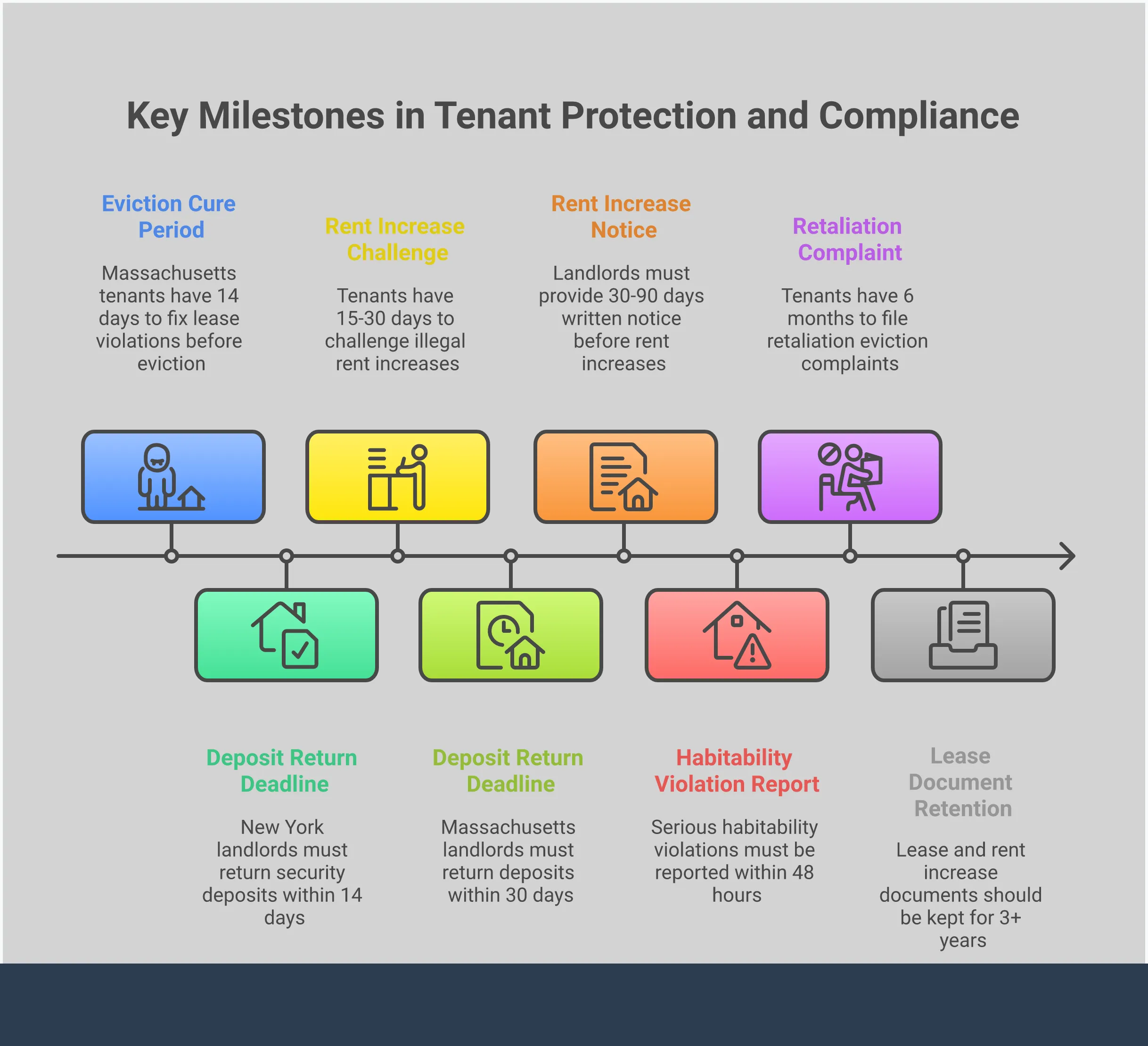
Once you've moved out, the last thing you want is to wait endlessly for your security deposit to be returned. States with strong tenant protections have clear rules for this process. They set a specific timeframe, usually between 14 and 45 days, for landlords to return your deposit or provide an itemized list of deductions. In Massachusetts, landlords have 30 days to return the security deposit. These deadlines hold landlords accountable and ensure you get your money back promptly, which is a huge help when you're settling into a new place and managing moving expenses.
While strong tenant protections create a more stable and secure environment for renters, it's helpful to understand the challenges landlords face in these states. The laws that protect you can create significant hurdles for property owners, impacting everything from their finances to their day-to-day operations. Seeing things from their side can give you a more complete picture of the rental market you're in. When landlords have to deal with more rules and higher risks, it often shapes the availability and cost of rental housing for everyone.
In many pro-tenant states, the eviction process is anything but simple. The laws are designed to prevent unjust displacement, but they can also make it incredibly difficult for a landlord to remove a tenant who isn't paying rent or is damaging the property. What might seem like a straightforward issue can turn into a lengthy and expensive legal battle. Landlords often face long delays and mounting costs while navigating the court system. These strict eviction rules mean that even with a valid reason, a landlord might spend months and thousands of dollars trying to regain control of their property, all while losing rental income.
Rent control is a huge win for tenants seeking stable housing costs, but it puts landlords in a tough spot. These laws limit how much a landlord can increase rent, which sounds great on the surface. However, a landlord's expenses—like property taxes, insurance, and maintenance costs—are not capped and tend to rise every year. When rental income can't keep up with these increasing expenses, it squeezes a landlord's profit margins. This can make it difficult to afford necessary repairs or save for major upgrades, ultimately affecting the quality of the housing they can provide.
Operating as a landlord in a pro-tenant state often comes with a mountain of administrative tasks and extra costs. Many cities and states require landlords to register their rental units, conduct specific inspections like for lead paint between tenants, and follow precise rules for things like late fees. For example, some laws mandate a 10-day grace period for late rent and cap the fee at a small percentage. While each rule is meant to protect tenants, the cumulative effect is a significant increase in the time and money landlords must invest just to stay compliant and avoid penalties.
The combination of strict eviction laws, rent control, and high operational costs can make some investors think twice about buying rental properties in pro-tenant states. The potential for financial losses and legal headaches can outweigh the benefits of rental income. Some experts even advise rental investors to avoid these areas altogether, arguing that the risks are just too high. This can lead to a tighter rental market with fewer available units, as fewer people are willing to take on the challenges of being a landlord in such a regulated environment.
While pro-tenant laws offer incredible benefits and security, they also influence the local rental market. Understanding these dynamics is key to finding your next home without any surprises. When landlords have more regulations to follow, from handling security deposits to navigating eviction processes, it can change the landscape for renters. This doesn't mean it's harder to find a place, but it does mean you should go into your search with a clear picture of the market. Knowing what to expect can help you budget appropriately and prepare a standout application.
One of the first things you might notice in a pro-tenant state is that average rents can be a bit higher. Landlords often factor in the costs of complying with robust tenant protections when setting their prices. For example, states with strong tenant laws, like Oregon and Connecticut, might see increased rents as property owners adjust to the regulatory environment. This isn't meant to penalize renters, but it's a business reality for landlords. It’s a good idea to research the average rent in your target neighborhoods so you can set a realistic budget before you start your apartment hunt.
With potentially fewer available units and more protections for current tenants, the application process can feel more competitive. Landlords in these markets tend to be more discerning when it comes to tenant selection, as they want to ensure they find reliable, long-term renters. This means you’ll want to have all your documents in order and present the strongest application possible. Having a complete rental profile, including a comprehensive screening report, can make you stand out from the crowd and show landlords that you’re a serious and prepared applicant. It’s all about putting your best foot forward in a bustling market.
Ultimately, renting in a pro-tenant state often involves a trade-off between stability and affordability. You gain significant peace of mind from knowing you have strong legal protections against unfair evictions and neglected repairs. However, this security can come with a higher price tag and a more intense search process. For many renters, the benefits of enhanced security and tenants' rights are well worth the potential challenges. It’s a personal decision that depends on your priorities, financial situation, and what you value most in a rental home. By understanding both sides, you can decide if a pro-tenant state is the right fit for you.
When you’re applying for a rental in a pro-tenant state, the screening process often looks a little different. Landlords can’t just pull a generic background check and make a decision. They have to follow a specific set of rules designed to keep the process fair and transparent for everyone involved. This might mean they have limits on what they can ask, how they use your information, and even how much they can charge you just to apply.
The goal of these regulations is to level the playing field. They help prevent discrimination and ensure that every applicant is evaluated on relevant, legally permissible criteria. For renters, this means more protection and a clearer understanding of where you stand. For landlords, it means being extra diligent about compliance. This structured approach has also paved the way for more modern, renter-focused solutions, like portable screening reports, which simplify the process for both sides. Instead of a stressful, repetitive cycle of filling out applications and paying fees, the system in these states is shifting toward a more efficient and equitable model.
In pro-tenant states, tenant screening laws are designed to protect renters from discrimination and ensure fair treatment during the application process. These laws often dictate how landlords can conduct background checks, what information can be used, and how they must inform applicants of their rights. For example, some states limit how far back a landlord can look into your credit or criminal history. Others might restrict a landlord from having a blanket policy against renting to anyone with a criminal record, requiring them to consider the nature of the offense and how long ago it occurred. Landlords must follow these rules to the letter to avoid legal issues, which gives you as a renter a much stronger footing.
Portable screening reports are becoming increasingly popular in pro-tenant states because they fit perfectly with the goal of a fairer, more efficient process. A portable report allows you to share your rental history and credit information with multiple landlords after paying for it just once. This not only streamlines the application process but also empowers you by giving you complete control over your personal data. With a service like Portable Tenant, you can see exactly what’s in your report and choose who gets to see it. It saves you money on repeated application fees and saves landlords time, creating a win-win situation that aligns with the tenant-first mindset of these states.
Applying for multiple apartments can get expensive fast, with application fees adding up. That’s why many pro-tenant states have established specific regulations regarding application fees. These rules often include limits on the amount landlords can charge and may even require them to return the fee if the unit is rented to someone else before they run your report. Some laws state that the fee can only cover the actual cost of the screening. These regulations prevent renters from being unfairly burdened by excessive costs just for trying to find a home. Using a single, reusable report is another great way to get around this issue, since you only pay one fee for a report you can use for multiple applications.
Moving to a state with strong renter protections can feel like a breath of fresh air. While these laws offer incredible security, it’s smart to go in with your eyes open. The rental landscape in these areas can be more competitive, and understanding the local nuances is key to a smooth transition. Before you start packing boxes, take some time to prepare for what’s ahead. A little research now will help you find a great new home and make the most of the protections available to you.
Just because a state is renter-friendly doesn't automatically mean it's affordable. In fact, many pro-tenant states have competitive and expensive rental markets. Before you move, look into the specific cities and neighborhoods you’re considering. Check average rent prices, vacancy rates, and what you can expect for your budget. In a competitive market, having your application materials ready is a must. Using a portable tenant screening report allows you to apply to multiple properties quickly without paying separate fees each time, giving you an edge over other applicants. This preparation can make all the difference when you find the perfect place.
The most renter-friendly states have robust laws covering everything from security deposits to eviction notices and maintenance requirements. These rules are there to protect you, but they only work if you know what they are. Take some time to read up on the specific landlord-tenant laws in your new state and city. You can often find this information on government websites or through local tenant unions. The U.S. Department of Housing and Urban Development also provides a directory of tenant rights by state. Understanding your rights helps you advocate for yourself, while knowing your responsibilities ensures you maintain a positive relationship with your landlord.
Life happens, and sometimes financial challenges are unavoidable. Many pro-tenant states recognize this and offer resources to help renters stay in their homes. These states often have lower eviction rates because they provide a stronger safety net. Before you move, research what financial assistance programs are available in your new community. This could include emergency rental assistance, utility support, or other local aid programs. Knowing where to turn for help before you’re in a crisis provides peace of mind and can be a crucial resource for maintaining housing stability if you ever face unexpected hardship.
Deciding where to live is a huge decision, and the laws of a state can have a real impact on your daily life as a renter. A pro-tenant state might sound like a dream, but it’s important to look at the full picture. The right choice for you depends entirely on your personal priorities, financial situation, and what you value most in a home and community. Let's break down what you should consider before packing your bags.
The biggest advantage of living in a pro-tenant state is the strong legal safety net. These states have renter-friendly laws that give you more security, like longer notice periods for rent increases or evictions. In Massachusetts, for example, tenants get a 14-day grace period to fix an issue before a landlord can even file for eviction, which can provide incredible peace of mind.
However, this level of protection can have a downside. When landlords face stricter regulations and potentially higher costs, they sometimes pass those on to tenants through higher rent prices. In places with strong rent control, like Oregon, the laws designed to protect tenants can also unintentionally limit the supply of affordable housing, making the market more competitive. It’s a trade-off between stability and affordability that you’ll need to weigh for yourself.
If you’re looking for a place to settle down for a while, a pro-tenant state can offer a powerful sense of stability. States with low eviction rates, such as Connecticut and Rhode Island, create an environment where you’re less likely to face an unexpected move. Knowing you have solid protections can make it easier to feel truly at home in your community.
This stability often extends beyond just your lease agreement. States that prioritize tenant rights tend to invest in other areas that contribute to a high quality of life. For instance, Minnesota is known for its strong tenant protections as well as its excellent healthcare and education systems. When you’re thinking about your long-term future, consider whether the supportive environment of a pro-tenant state aligns with your goals for both your housing and your overall well-being.
If I live in a pro-tenant state, does that mean I can't be evicted? Not at all. Living in a pro-tenant state doesn’t give you a free pass to ignore your lease. What it does mean is that your landlord can’t evict you without a legitimate, legally recognized reason—what’s known as “just cause.” This prevents them from removing you on a whim or for a retaliatory reason. As long as you pay your rent on time and follow the terms of your lease, you have a much higher degree of housing security.
Do all cities within a pro-tenant state have the same rules? That’s a great question, and the answer is no. State laws create a baseline of rights for all renters, but many cities add their own layers of protection that are often even stronger. For example, California has statewide tenant protections, but cities like San Francisco and Los Angeles have their own, stricter rent control and eviction ordinances. It’s always a good idea to research both your state and your specific city’s laws to get the full picture of your rights.
How can I find out the specific tenant rights in my city or state? The best place to start is with official sources. Look for your state or city’s government website and search for their housing department or resources on landlord-tenant law. Local tenant unions or non-profit housing advocacy groups are also fantastic resources that often provide easy-to-understand guides and legal aid. These organizations are dedicated to helping renters know their rights and can offer specific advice for your situation.
If my state wasn't mentioned, does that mean it's automatically landlord-friendly? Not necessarily. Landlord-tenant law exists on a spectrum, and many states fall somewhere in the middle, offering a mix of protections for both parties. The states listed in the post are simply some of the most well-known for having comprehensive, renter-focused laws. The best approach is to research the specific regulations where you live, as every state has its own unique set of rules governing security deposits, evictions, and repairs.
Why would a landlord choose to rent out property in a pro-tenant state? While the regulations can be more challenging for property owners, these states often have strong, stable rental markets with high demand. A well-maintained property in a desirable area will always attract great tenants. For landlords who are committed to following the rules and providing quality housing, the challenges are manageable. The laws simply encourage a more professional and fair approach to property management, which can lead to attracting responsible, long-term renters who make the investment worthwhile.