
Does one late payment from three years ago mean you’ll be automatically rejected? Is a perfect credit score the only thing that matters? The rental application process is filled with myths that cause unnecessary stress. The truth is, most landlords are looking for a consistent pattern of responsibility, not a flawless record. To understand their perspective, you first need a clear answer to the question: what does a tenant background check show? This guide debunks the common misconceptions and gives you an honest look at what landlords truly value, helping you present yourself as the reliable and prepared applicant you are.
Think of a tenant background check as a landlord’s way of getting to know you beyond your rental application. It’s a standard step in the leasing process where a landlord or property manager verifies your information to get a clearer picture of your history as a renter. This isn't about digging for dirt; it's about confirming that you're a reliable and responsible tenant who is likely to pay rent on time and take care of the property.
A rental background check is a tool landlords use to find great tenants and avoid potential issues down the road. It looks at several key areas of your past, including your financial, criminal, and rental history. For you, the renter, it’s a chance to show that you’re a great candidate for the home. Understanding what landlords are looking for can help you prepare your application and address any potential concerns upfront, making the entire process smoother for everyone involved.
For landlords, running a background check is a crucial part of protecting their investment. It helps them choose responsible tenants who are less likely to cause property damage or miss rent payments. As the American Apartment Owners Association notes, a thorough check helps landlords safeguard their financial and physical assets. It’s a fundamental step in building a safe and respectful community within their property.
For renters, knowing how the screening process works is empowering. When you understand what’s being reviewed, you can present yourself more effectively and increase your chances of getting approved. This transparency helps you prepare for the application and ensures landlords can make fair, informed decisions. With a portable screening report, you gain even more control, allowing you to manage your own information and share it securely with multiple landlords.
The tenant screening process is regulated by laws designed to protect both you and the landlord. It’s not a free-for-all; there are strict rules about what information can be accessed and how it can be used. One of the most important things to know is that the information in your report must be accurate. If you find a mistake, you have the right to dispute any errors and have them corrected.
Unfortunately, there are many myths out there about how background checks work and what your rights are as a renter. Getting informed is the best way to protect yourself. Landlords must get your consent before running a check, and they must follow fair housing laws, which prevent discrimination. Knowing these rules helps you spot red flags and ensures you’re treated fairly throughout your housing search.
When a landlord runs a background check, they’re not just looking at one piece of information. They’re pulling together a comprehensive report to get a full picture of who you are as a potential tenant. Think of it as a resume for your rental life. This process is standard practice and helps property managers ensure they’re choosing a reliable person to live in their property. A thorough screening covers several key areas of your personal history, from your finances to your past rental experiences. Understanding how it works can take a lot of the stress out of the application process.
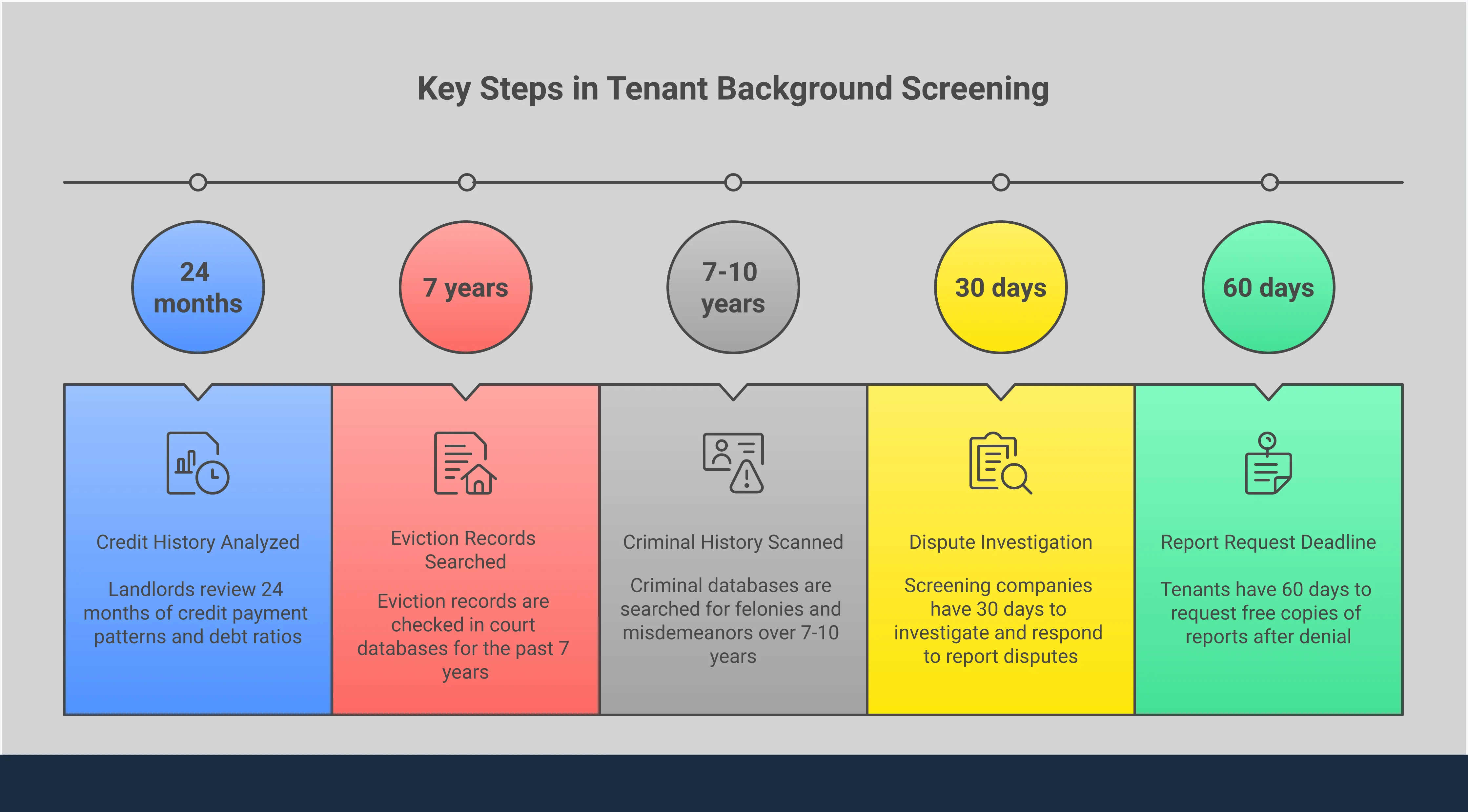
A landlord’s main concern is whether you’ll pay your rent on time, and your credit history is one of the best indicators they have. This part of the background check pulls your credit report from a major bureau like Experian. It shows your credit score, payment history on loans and credit cards, any outstanding debts, and public records like bankruptcies or collections. Landlords aren’t necessarily looking for a perfect score. Instead, they’re looking for a pattern of financial responsibility. A consistent history of on-time payments suggests you’re a reliable applicant who can manage their financial obligations, including rent.
Your rental history report is like a reference from all your previous landlords. It details where you’ve lived, how long you stayed, and whether you were a tenant in good standing. This report will show if you have any prior evictions, which is a major red flag for property managers. An eviction on your record can make it much more difficult to find housing, as it suggests a history of breaking a lease agreement or failing to pay rent. Landlords look at this information to predict how you might behave as their tenant, making a clean rental history incredibly valuable.
Landlords have a responsibility to keep their properties and tenants safe, which is why a criminal background check is a standard part of the screening process. This search scans national, state, and local databases for any criminal convictions, including both felonies and misdemeanors. The goal is to identify applicants who might pose a threat to the community or property. It’s important to know that there are laws, like the Fair Housing Act, that regulate how landlords can use this information to ensure that applicants are not unfairly discriminated against.
Before handing over the keys, a landlord needs to be confident that you can afford the rent. That’s where income and employment verification comes in. They will confirm your current employment status and review your income to make sure it’s stable and sufficient. A common guideline many landlords use is the "3x rule," meaning your gross monthly income should be at least three times the monthly rent. You’ll typically be asked to provide pay stubs, bank statements, or an offer letter to prove your income, giving the landlord assurance that you can consistently meet your rent payments.
Finally, a background check confirms that you are who you say you are. This is a crucial step to prevent identity theft and application fraud. The screening service will typically run a Social Security Number (SSN) trace to verify your identity and check for any inconsistencies. It also helps ensure that the credit, rental, and criminal records being reviewed actually belong to you and not someone with a similar name. This basic security measure protects everyone involved—the landlord, other tenants, and you as the applicant—by making sure the entire process is based on accurate information.
When you’re excited about a new apartment, the background check can feel like a huge, nerve-wracking hurdle. It’s easy to think of it as a personal judgment, but for landlords, it’s a standard business practice. They aren’t just looking for reasons to say no; they’re trying to get a complete picture to make a responsible decision. Understanding why they screen applicants can demystify the process and help you put your best foot forward.
Think of it from their side: a rental property is a massive investment and often their primary source of income. They’re essentially entrusting you with an asset worth hundreds of thousands of dollars. A thorough screening process helps them protect that asset and ensure a safe, stable environment for all their tenants. It’s their main tool for assessing risk and finding someone who will be a great addition to the community. For renters, knowing what landlords are looking for helps you prepare your application and understand the decisions they make. It’s a process that, when done right, benefits everyone by creating a secure and reliable rental community where everyone feels safe and respected.
At its core, a rental property is a business. Landlords rely on rent payments to cover the mortgage, taxes, insurance, and maintenance costs. A tenant who consistently pays late or stops paying altogether can create a serious financial strain. Beyond just the rent, landlords also need to protect the physical property. Significant damage can lead to expensive repairs that far exceed the security deposit.
Screening helps landlords gauge an applicant's financial reliability and past rental behavior. They’re looking for a track record that suggests you’ll pay rent on time and take good care of the home. It’s a way to minimize the risk of lost income, costly property damage, and the lengthy, expensive process of an eviction.
Landlords have a legal responsibility to provide a safe living environment for all their tenants. This is often referred to as the "implied warranty of habitability." Part of upholding this responsibility involves taking reasonable steps to prevent harm. Running a criminal background check is one way they do this, as it helps them identify applicants with a history of violent or dangerous behavior that could put other residents or the property at risk.
Proper, consistent screening also helps landlords stay compliant with fair housing laws. By applying the same screening criteria to every applicant, they can make objective, non-discriminatory decisions. This protects them from potential lawsuits and ensures that every applicant is evaluated fairly based on their qualifications, which ultimately creates a more transparent process for renters.
Ultimately, landlords are looking for a responsible, long-term tenant who will be a good partner in maintaining the property. While financial stability is important, it’s not the only thing that matters. They’re often looking at the bigger picture. Does the applicant have a steady employment history? Do their previous landlords give positive references? How they communicate during the application process can also be a strong indicator of how they’ll be as a tenant.
A landlord might be more interested in your recent rental history than an old credit issue from years ago. They want to see that you’re a reliable person who respects the property and their neighbors. A comprehensive screening report gives them the information they need to find someone who is a great fit, ensuring a positive rental experience for everyone involved.
The credit check can be one of the most nerve-wracking parts of applying for a new place. It feels personal, and it’s easy to worry that one past mistake could disqualify you. But for landlords, reviewing your credit history is simply about assessing risk. They’re looking for clues that you’ll be a reliable tenant who pays rent on time. It’s less about judging your past and more about predicting your future behavior as a renter.
Your credit history tells a story about your financial habits. It’s not just about a single score; it’s a combination of your payment history, how much debt you carry, and how long you’ve been managing credit. Landlords use this information to build a picture of your financial responsibility. Understanding what they’re looking for can help you prepare your application and address any potential concerns head-on. A Portable Tenant Screening Report compiles all this information, so you can see exactly what a landlord sees.
It’s easy to think of your credit score as a grade on your financial life, but it’s really just a snapshot of your credit risk at one point in time. A common myth is that a high income can make up for a low credit score. In reality, landlords see your credit score as an indicator of your financial reliability. A strong score suggests you have a history of paying your bills on time, which is a great sign that you’ll also pay your rent on time. It shows you can manage your financial obligations, which is often more important to a landlord than how much you earn.
Beyond your credit score, landlords often look at your debt-to-income (DTI) ratio. This is the percentage of your gross monthly income that goes toward paying your monthly debt payments, like car loans, student loans, and credit card bills. For example, if you earn $4,000 a month and have $1,000 in debt payments, your DTI is 25%. A lower DTI suggests you have enough money to comfortably cover your rent and other living expenses. A high DTI can be a red flag, even with a good income, because it might indicate you’re stretched too thin financially. You can calculate your DTI to see where you stand.
Your full credit report provides more detail than just a score, and this is where landlords often focus their attention. They’re looking for a consistent pattern of on-time payments, especially for recent accounts. A late credit card payment from five years ago is much less concerning than a recent history of missed rent or utility payments. Landlords want to see that you’re currently managing your finances well. Your recent rental history is one of the strongest predictors of your reliability, which is why a comprehensive report that includes this information gives landlords a much clearer picture than a credit score alone.
Of all the items on a background check, a past eviction can feel like the most daunting. It’s a significant red flag for many landlords because it suggests a history of breaking a lease agreement, which is a serious concern for anyone managing a property. While having an eviction on your record certainly makes finding a new rental more challenging, it doesn’t always mean an automatic rejection. Understanding exactly what landlords see, how long it affects your record, and why they view it so seriously is the first step toward addressing it with confidence.
An eviction is a formal legal process, and the record it leaves is public. This means any potential landlord running a thorough background check will likely see it. Knowing the details of your own rental history allows you to prepare for questions and present your case honestly. With a portable tenant screening report, you see exactly what a landlord sees, giving you the chance to get ahead of any concerns and explain your side of the story. By facing it head-on, you can show a potential landlord that your past doesn’t define your future as a tenant and that you're ready to be a responsible renter.
When a landlord runs a background check, an eviction won't just show up as a simple "yes" or "no." Eviction records are court documents that provide specific details about what happened. These records typically show the reason for the eviction, the final outcome of the court case, and whether you were able to resolve the issue before the process was finalized. This could include evictions for non-payment of rent, violating other lease terms, or causing property damage. The key thing to remember is that this refers to a formal, legal eviction filing, not just a notice to vacate from a previous landlord.
An eviction judgment can follow you for a long time. In most cases, an eviction will remain on your public record and your credit report for up to seven years. This timeframe is largely dictated by the Fair Credit Reporting Act (FCRA), which sets limits on how long negative information can be reported. However, the actual court filing is a public record and could technically be found by someone digging deep into court archives for even longer. For the purposes of most standard tenant background checks, you can expect an eviction to be a factor in your applications for about seven years.
From a landlord's perspective, an eviction is a major indicator of risk. Landlords often see a tenant's past rental behavior as a strong predictor of their future actions. An applicant with a history of eviction is seen as more likely to be evicted again, which is a costly and stressful process for a property owner. In fact, some data shows a tenant who has been evicted is almost three times more likely to have another eviction on their record later. This is why landlords and property managers are so cautious. They are trying to protect their investment and ensure a stable, reliable tenancy for their property.
Seeing a criminal history section on a rental application can be nerve-wracking. But understanding what landlords are looking for—and what they’re legally allowed to consider—can help you feel more prepared. For landlords, knowing the rules is key to making fair, consistent, and legally sound decisions. This isn’t about judging someone's past; it’s about assessing potential risk and ensuring a safe community for everyone.
A criminal background check looks at public records for any criminal history. It’s important to know that not all background checks include this. When they do, landlords must follow strict fair housing laws and local rules about using this information. This part of the screening process is designed to give landlords a picture of an applicant's past behavior, but it's not a free-for-all. The information is regulated, and its use is limited to assessing your suitability as a tenant. Think of it as one piece of the puzzle, not the whole story.
It's a common worry: will any past mistake automatically disqualify you? The short answer is no. Landlords should not have a rule that automatically denies anyone with a criminal record. According to guidance from HUD, they need to show a clear reason why a specific crime would make someone a risk to the property or other residents. They look at the nature of the offense, how long ago it happened, and what you've done since. A conviction for something that threatens the safety of others is weighed much more heavily than a minor, non-violent offense from years ago.
This all comes down to fairness and consistency. The goal of tenant screening is to help landlords make informed, non-discriminatory decisions. While having a criminal record isn't a protected class under the Fair Housing Act, policies that broadly exclude people with records can have a discriminatory effect on protected groups. That's why landlords must apply their criteria individually and consistently, looking at each applicant as a whole person. Understanding the reality behind tenant screening benefits everyone involved—helping renters present themselves effectively while enabling landlords to make fair, informed decisions that build safe and welcoming communities.
The tenant screening process can feel like you’re putting your life under a microscope. But it’s not a one-way street. Federal laws, like the Fair Credit Reporting Act (FCRA), give you specific rights to ensure the information used is accurate and handled correctly. Understanding these rights gives you the power to make sure your application is reviewed fairly and to correct any mistakes that might pop up along the way. It’s all about ensuring transparency and accuracy, so you can put your best foot forward.
A landlord can’t just decide to pull your personal information out of thin air. Before they can run a background check, they need your written permission. This is usually a clause you’ll find in the rental application itself. By signing, you’re giving the landlord or property manager the green light to look into your credit, criminal, and rental history. While they need your consent for the report, they can still ask for identification to confirm you are who you say you are. This process is designed to protect your privacy, ensuring you’re always in the loop when your sensitive data is being accessed.
Found a mistake on your screening report? Don’t panic—you have the right to correct it. If you spot an error, like a debt that isn’t yours or an incorrect eviction record, your first step is to contact both the screening company that created the report and the organization that supplied the faulty information (like a credit bureau). Under the FCRA, they are legally required to investigate and correct any inaccurate information. According to the Federal Trade Commission, once the information is corrected, the original source must notify any screening company they sent the wrong data to.
If a landlord denies your application, requires a co-signer, or asks for a larger deposit because of something in your screening report, they have to tell you. This is called an "adverse action," and when it happens, you’re entitled to a free copy of the report that influenced their decision. The landlord must provide you with the name, address, and phone number of the company that ran the check. You then have 60 days to request your free copy from that company. This gives you a chance to see the exact information the landlord saw and check it for any inaccuracies that might have cost you the apartment.
That "adverse action" notice is more than just a rejection letter; it’s a key that gives you access to your information. The notice can be delivered in writing, orally, or electronically, but it must contain the screening company's contact details. Receiving this notice is what officially triggers your right to see the report and dispute errors. If you find a mistake, get it corrected, and then inform both the landlord and the background check company. If a landlord doesn't provide a proper notice or a screening company includes outdated or false information, the FTC wants to know about it.
The tenant screening process can feel like a mystery box, but it doesn’t have to be. A lot of the stress comes from not knowing what landlords are actually looking for or what the report says about you. Let’s clear up some of the biggest misconceptions so you can approach your next rental application with confidence. Understanding how screening really works helps you put your best foot forward and allows landlords to make fair, informed decisions.
It’s easy to think that a high credit score is all you need to secure a lease. While a strong score is definitely a plus, it’s not the whole story. Landlords look at your credit score as one piece of a much larger puzzle. A great score shows you have a history of paying bills on time, but it doesn’t guarantee you’ll be a responsible and reliable tenant. Landlords also consider your full financial picture and rental history to understand if you’re a good fit for their property. Think of it as a starting point, not the finish line.
Similarly, many renters believe the screening process begins and ends with their credit report. In reality, a comprehensive background check goes much deeper. Landlords are just as interested in your rental history, including any past evictions, and your criminal background. They also need to verify your income and employment to ensure you can comfortably afford the rent. Relying only on a credit score would mean overlooking key indicators of a responsible tenant, so a thorough report provides a more complete and fair assessment.
A blemish on your record, whether it’s a late payment from a few years ago or an old eviction, can feel like a permanent black mark. But most landlords are more interested in your recent history and overall pattern of behavior. They understand that people have financial ups and downs. A single mistake from five years ago is less concerning than a recent pattern of missed payments. Being upfront and honest about any issues in your report can also go a long way in showing a landlord that you’re responsible and trustworthy today.
This is one of the most common—and most disempowering—myths out there. You actually have more power in the screening process than you might think. For starters, you have the right to see your report and dispute any inaccuracies. And with modern solutions, you can take an even more active role. Services like Portable Tenant give you a single, reusable report that you control. You decide which landlords see your information and can revoke access at any time. This approach saves you money on application fees and puts you in charge of your personal data, completely changing how the screening process works.
The traditional rental application process can feel like a marathon. You find a place you love, fill out a lengthy application, pay a non-refundable fee, and hand over your sensitive personal information. Then, you do it all over again for the next property. It’s expensive, repetitive, and leaves you wondering who has your data. Landlords, on the other hand, have to sift through applications and run individual checks, which takes time and resources.
There’s a much more efficient and secure way to handle this: the portable tenant screening report. Think of it as your universal rental application, all in one secure package. As a renter, you order a comprehensive screening report once and can then share it with multiple landlords or property managers for a set period, usually 30 days. This approach puts you in control of your information while giving landlords everything they need to make a fair decision. It’s a modern solution that streamlines the entire process, making it simpler, faster, and more transparent for everyone involved. This is how it works to create a better rental experience from the very first step.
A reusable report isn't just a convenience—it creates a more balanced and efficient rental market. For renters, the benefits are clear: you present yourself as a prepared, serious applicant from the start. Instead of being one of many anonymous applications, you arrive with a complete, verified report in hand. For landlords, this system is a game-changer. You receive a comprehensive screening package directly from the applicant, which significantly speeds up your review process. It helps you identify responsible tenants quickly and make informed decisions based on a consistent, reliable report, fostering a more trusting and transparent relationship from day one.
In a competitive rental market, application fees can add up fast. Paying $30, $50, or even more for every single apartment you apply to can put a serious dent in your budget. A portable screening report completely changes this dynamic. You pay a single, transparent fee for a report that you can reuse for multiple applications. This simple shift can save you hundreds of dollars during your apartment search. It also saves you valuable time. Instead of repeatedly entering your personal history, employment details, and references, you do it just once. This lets you focus on what really matters: finding the right home.
Your personal data is exactly that—personal. In the traditional application process, you often lose track of who has your Social Security number, financial history, and other sensitive details. A portable report puts you back in the driver's seat. You own your report and have complete control over who you share it with. You can grant access to a potential landlord and, just as importantly, revoke it at any time. This ensures your information is only seen by the people who need to see it, for as long as they need to see it. Plus, you get to review your report for accuracy and can dispute any errors before a landlord ever sees it.
Does a background check hurt my credit score? This is a common worry, but you can relax. When a landlord runs a background check for a rental application, it results in a "soft inquiry" on your credit report. Unlike a "hard inquiry," which happens when you apply for a loan or credit card, a soft inquiry does not affect your credit score at all. You can have multiple soft inquiries without any negative impact, so feel free to apply for apartments without stressing about your score taking a hit.
What if I have a past eviction but have been a good tenant since? Having a past eviction can be tough, but it doesn't have to be an automatic disqualifier. The key is to be upfront and prepared. Before you even apply, gather documentation that shows your reliability since the eviction, such as proof of consistent rent payments for your current home and positive references from recent landlords. When you submit your application, include a brief, honest letter explaining the circumstances of the eviction and the steps you've taken to be a responsible tenant since. This proactive approach shows maturity and can make a big difference to a landlord.
How can I prepare for a background check if I know there are issues? The best thing you can do is get ahead of it. Start by running your own report so you know exactly what a landlord will see. This gives you a chance to dispute any errors you find. If the negative information is accurate, like a low credit score or a past late payment, prepare a brief, honest explanation. You can also strengthen the other parts of your application with great landlord references, proof of stable income, and a letter explaining your situation and highlighting your strengths as a tenant.
How long does the tenant screening process usually take? The timeline can vary, but most background checks are completed within 24 to 72 hours. The process can sometimes be delayed if the screening company has trouble verifying your employment or contacting your previous landlords. Using a portable screening report can often speed things up because you arrive with all the necessary information already compiled and verified, allowing the landlord to make a decision much faster.
Are landlords required to accept a portable screening report? In states with portable tenant screening laws, like Colorado and Illinois, landlords must accept a valid report from a qualified provider if you offer one. Some other states like California, Washington, and Maryland, landlords must advertise in their listings if they accept PTSRs. This helps you save money on multiple application fees. In other states, it's up to the individual landlord's discretion. However, many landlords appreciate them because it shows you're a serious applicant and it saves them the time and effort of running their own check. It's always a good idea to ask a potential landlord if they accept reusable reports when you first inquire about a property.