
The apartment application process can often feel like you’re in the dark. You submit your information, pay a fee, and then wait, hoping for the best while a landlord reviews a report about you that you’ve never even seen. But it doesn’t have to be that way. By being proactive, you can flip the script and approach your search with confidence. Taking the time to view my rental history before applying anywhere is the single best way to get ahead of potential problems. It allows you to spot and correct inaccuracies, prepare explanations for any past issues, and walk into a showing as an organized, transparent applicant who is ready to go.
Think of a rental history report as your renting resume. It’s a document that summarizes your track record as a tenant, giving potential landlords a snapshot of what it’s like to have you in their property. This report is a standard part of most rental applications, and landlords rely on it heavily to gauge whether you’ll be a responsible and reliable tenant. It helps them answer crucial questions: Do you consistently pay your rent on time? Do you take care of the property? Have you ever been evicted or broken a lease agreement?
For you, the renter, understanding your own rental history is just as important. It gives you the power to see what landlords see, catch any inaccuracies before they cost you a great apartment, and present yourself as the best possible candidate. When you know what’s on your report, you can address any potential red flags head-on and confidently move through the application process. In a competitive rental market, having a clean and accurate rental history can make all the difference. It’s your chance to show that you’re a trustworthy tenant who will treat the property with respect, making the landlord’s decision to hand over the keys that much easier.
A rental history report shows how you've behaved as a renter in the past. It typically includes a list of your previous addresses and the dates you lived there, giving a clear timeline of your rental life. The report will also detail your payment history, noting if you consistently paid rent on time or had any late payments. It will also show any formal lease violations, like property damage or noise complaints, and any eviction proceedings you may have been involved in. Sometimes, it even includes feedback from your old landlords, offering a more personal reference on your tenancy. It’s a comprehensive look at your past rental experiences.
Landlords use this report, along with your credit report and background check, to get a full picture of you as a potential tenant. It’s all about risk assessment. They want to find someone who will pay rent on time and take care of their property, and your past behavior is one of the best predictors of your future actions. By reviewing your rental history, they can verify the information on your application and look for patterns of reliability. Checking your own report is a smart move because it helps you find and fix any mistakes that could stop you from getting a new place. It puts you in control of your own narrative and helps you understand what landlords are looking for.
So, you understand why your rental history is important. Now, let’s get into the practical side of things: How do you actually get your hands on this report to see what landlords see? Knowing what’s in your file before you start applying for apartments is a huge advantage. It gives you the chance to spot and fix any errors, prepare explanations for any blemishes, and walk into the application process with confidence. Think of it as proofreading your resume before a big job interview—you want to present the best possible version of yourself. Without this step, you're essentially flying blind, hoping for the best while landlords review information about you that you've never even seen.
Thankfully, you have a few different options for accessing your rental history, and you don't have to stay in the dark. You can go directly to the companies that compile these reports for landlords, pull your free annual credit reports to check for housing-related financial data, or use a modern, reusable report that puts you in control. Each method has its own benefits, and the right choice depends on your timeline, budget, and how many places you plan to apply to. Let’s break down what each option involves so you can decide which one is the best fit for your apartment search.
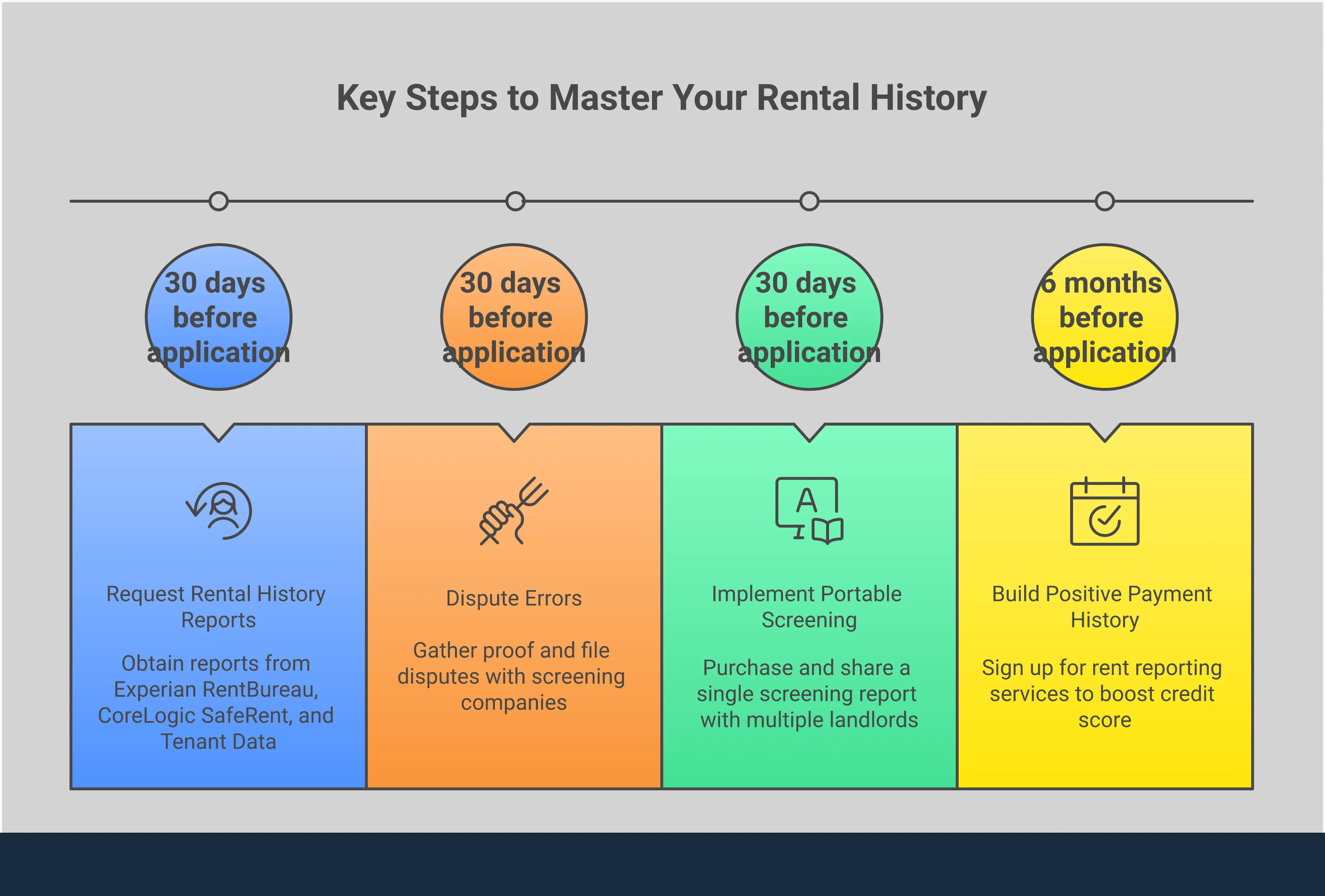
One of the most direct ways to see your rental history is to go straight to the source. You can request a copy of your file from the same tenant screening companies that landlords use. Going this route gives you a clear preview of what a potential landlord will see when they review your application. These reports typically cost between $35 and $65, but paying that fee can be a worthwhile investment for the peace of mind and preparation it provides.
While it’s not specifically called a "rental history report," your credit report tells a big part of the story. Major financial events related to renting, like unpaid rent that has gone to collections or an eviction judgment, will often appear on your credit file. You are legally entitled to a free annual credit report from each of the three main bureaus—Experian, TransUnion, and Equifax. This is a fantastic, no-cost way to check for any red flags that could impact your housing search. It’s a smart financial habit to get into, whether you’re apartment hunting or not.
Instead of paying for a new report every time you apply for an apartment, what if you could get one comprehensive report and reuse it? That’s the idea behind a portable tenant screening report. This modern approach bundles your rental history, credit report, background check, and income verification into a single, secure file that you control. You pay a one-time fee for the report and can then share it instantly with as many landlords as you like. This not only saves you a significant amount of money on application fees but also speeds up the entire process, helping you land your dream apartment faster.
Think of your rental history report as your resume for renting. It tells a story about your past behavior as a tenant, giving potential landlords a clear picture of what they can expect if they hand you the keys. This isn't just about whether you paid rent; it's a comprehensive look at your reliability, responsibility, and how you treat a home. Landlords use this information, alongside your credit report and background check, to make an informed decision.
By reviewing your own report, you get to see exactly what they see. This is your chance to catch any errors or misunderstandings before they become a roadblock in your apartment search. A clean, accurate report can make your application stand out, while an unexpected issue could get you denied. Taking a peek inside gives you the power to correct the record and present yourself as the great tenant you are. With a portable screening report, you can manage this story yourself, ensuring it’s accurate and ready to share whenever you find the perfect place.
This is arguably the most important part of your rental history. Landlords want to know if you consistently pay your rent on time. This section will detail your payment habits from previous rentals, highlighting any late or missed payments. Even a few late payments can be a red flag, suggesting you might have trouble managing your finances. It’s crucial to review this section carefully to ensure it accurately reflects your payment record. If you see a payment marked as late that you know you paid on time, you’ll want to get that corrected immediately. An accurate payment history is your best evidence that you’re a financially responsible and reliable tenant.
Did you have an unauthorized pet? Were there frequent noise complaints from neighbors? Did you leave a previous apartment with damage beyond normal wear and tear? This section of the report details any formal lease violations. Landlords look at this to gauge how respectful you’ll be of the property and the community. While a minor issue from years ago might not be a dealbreaker, a pattern of violations can make a landlord hesitant. Checking this section helps you prepare to explain any past issues and show that you’ve learned from them. It’s all about demonstrating that you’ll be a considerate and careful resident in your new home.
An eviction is one of the most serious marks you can have on your rental history. It tells a landlord that a previous rental situation ended with a formal, legal process to have you removed from the property. For many landlords, this is an automatic disqualification. These records typically stay on your report for up to seven years, so an old eviction can continue to impact your housing search for a long time. It’s essential to confirm that any eviction record listed is accurate. If you were wrongfully evicted or the details are incorrect, you need to dispute the information to clear your name.
This section lists where you’ve lived and for how long, creating a timeline of your rental life. Accuracy is key here. A potential landlord will use this information to verify your application and may contact your previous landlords for a reference. If the dates are wrong or an address is missing, it can look like you’re trying to hide something. Make sure every address and all lease dates are correct. Having this information organized and verified in a reusable report saves everyone time and helps your application process move along smoothly, building trust from the very beginning.
Finding a mistake on your rental history report, criminal, or credit report can feel like a punch to the gut, especially when you’re trying to land your dream apartment. But don't panic. Errors happen, and there’s a clear, established process for getting them corrected. The Fair Credit Reporting Act (FCRA) gives you the right to an accurate report, and it’s your right to challenge any information you believe is wrong. Think of it less as a fight and more as a simple correction process. You just need to be organized and persistent.
The key is to act quickly and methodically. By gathering your evidence, formally filing a dispute with the screening company, and following up on the investigation, you can get your report corrected and get back to your apartment search with confidence. We’ll walk through each step so you know exactly what to do.
Before you do anything else, your first job is to play detective and gather all the evidence that proves the report is wrong. This is the most important step, as your claim is only as strong as the proof you have to back it up. Dig up documents like canceled rent checks or bank statements showing on-time payments, your signed lease agreement, emails or letters from your landlord, or any other paperwork that supports your case. For example, if the report lists a late payment you know you made on time, find the receipt or bank transaction. Organize everything neatly so it’s easy to present. Having this documentation ready makes the dispute process much smoother and more likely to end in your favor.
Once you have your proof organized, it’s time to officially file a dispute. You’ll need to contact the tenant screening company that generated the report—their contact information should be on the report itself. Most companies have an online dispute portal or a specific mailing address for these claims. Write a clear, simple letter or email explaining the error and what the correct information should be. Be sure to include copies of all the proof you gathered. Never send your original documents! It's a good idea to send your dispute letter by certified mail with a return receipt requested so you have a record that they received it. This creates a paper trail and confirms your dispute was delivered.
After you’ve sent in your dispute, the screening company is legally required to investigate your claim, usually within 30 days. They will contact the source of the information, like your former landlord, to verify your claim. If the investigation finds that the information was indeed incorrect, the agency must correct the error on your report. They also have to send you the results of the investigation in writing and provide you with a free copy of your corrected report. If the dispute doesn't go your way, they must explain why. This process ensures that you have a fair chance to present your side of the story and get inaccuracies removed.
When you're deep in the apartment hunt, application fees can add up fast. Understanding the costs associated with getting your rental history report can help you budget and make smarter choices. The price can range from free to a one-time fee that covers you for multiple applications. Let's break down the common options so you know exactly what to expect.
You have the right to one free credit report each year from the three major credit bureaus: Experian, TransUnion, and Equifax. You can get these reports through the official government-mandated site, AnnualCreditReport.com. These reports are a great starting point and can give you a look at your financial health. They might even show major issues like evictions or unpaid rent that have gone to collections. While this is a fantastic free resource for a personal check-up, it often doesn't include the comprehensive criminal and eviction history that landlords look for in a dedicated tenant screening report.
The most traditional route involves paying a separate screening fee for every single apartment you apply for. These reports from screening agencies can cost between $20 and $50 each time. If you're applying to three or four different places, you could easily spend over $100 on fees alone. This process is not only expensive but also repetitive. You're essentially paying multiple times for the same information to be sent to different landlords. It’s a common frustration for renters in a competitive market where applying to several properties is the norm.
A more modern and cost-effective approach is using a portable screening report. With this model, you pay a single fee for a comprehensive report that you can share with multiple landlords for a set period, usually 30 days. This saves you from paying repeated application fees. Services like Portable Tenant offer a detailed report—including your credit, criminal, and eviction history—for a one-time cost. You stay in control of your personal information and can share your report instantly with any landlord, speeding up the application process and saving you significant money along the way.
Your rental history isn't set in stone. If you’ve had a few bumps in the past, you have the power to build a more positive record for your future applications. Focusing on a few key areas can make a significant difference in how landlords see you as a potential tenant. By being proactive, you can create a rental history that truly reflects your reliability.
This is the single most important thing you can do. Consistently paying your rent on time, every time, demonstrates that you are a dependable tenant. Landlords look for this track record above all else. To make it easier, consider setting up automatic payments through your bank or your landlord’s rental portal. This simple step removes the stress of remembering due dates and helps you avoid accidental late fees. Think of it as proactively managing your rental reputation—each on-time payment is another positive mark on your record and a step toward building a strong financial future.
Did you know your rent payments usually don't impact your credit score? As Credit Rent Boost explains, "Many tenants are unaware that rent payments are often not included in credit report data by default." This means you could be missing out on a major opportunity to build your credit history. Rent reporting services fix this by reporting your on-time payments to the major credit bureaus, like Experian, Equifax, and TransUnion. Getting credit for these large, consistent payments can be a game-changer, especially if you have a limited credit history. It’s a smart way to make your biggest monthly expense work for you.
A good relationship with your landlord can go a long way. As the rental experts at Avail note, "Good communication can prevent small issues from becoming big problems." If you know a payment might be a day late or if a maintenance issue pops up, let your landlord know right away. This transparency shows you’re responsible and respectful of their property. Clear, proactive communication can prevent misunderstandings from escalating into formal complaints or lease violations, which could otherwise tarnish your rental history. Plus, a landlord who has had a positive experience with you is much more likely to provide a glowing reference for your next apartment.
When you're looking for a new place, you hear a lot of advice—some good, some not so good. The rental world is full of myths that can cause confusion and stress during your apartment search. Believing the wrong thing can lead you to overlook important details or miss out on a great apartment. Let's clear the air and bust a few of the most common myths about rental history so you can approach your next application with confidence.
It seems logical, right? You pay your biggest monthly bill on time, so it should count toward your credit score. Unfortunately, that’s not usually the case. Most landlords don’t report your monthly rent payments to the major credit bureaus like Experian or Equifax. This means your perfect payment record might not be helping your credit at all. If you want your rent to give your score a lift, you typically have to sign up for a third-party rent reporting service that will verify and report those payments for you. Understanding these tenant credit myths is the first step to taking control of your financial profile.
It would be great if we could trust every official-looking report to be 100% correct, but that’s a risky assumption. Errors on rental reports are more common than you might think. Your report could contain someone else’s eviction record, outdated information, or simple data entry mistakes. These inaccurate rental reports can unfairly cost you a lease. A landlord sees a red flag and moves on to the next applicant, often without giving you a chance to explain. This is exactly why it’s so important to review your own rental history before a landlord does. You are your own best advocate for ensuring the information is correct.
While a strong credit score is definitely a plus, it’s not the only thing landlords look at. Thinking it’s your golden ticket is one of the most common myths about tenant screening. Landlords are trying to get a complete picture of you as a potential tenant. They’ll review your entire rental history for things like past evictions, lease violations, or consistent late payments. They also verify your income to make sure you can comfortably afford the rent. A high credit score won't erase a previous eviction, so it's crucial to make sure your entire rental profile—not just one part of it—is in good shape before you apply.
Think of checking your rental history like checking your credit score—it’s a smart habit that keeps you in control of your housing future. While you don’t need to monitor it daily, there are specific times when pulling your report is crucial. Doing so can mean the difference between landing your dream apartment and facing an unexpected rejection. Landlords rely on these reports to quickly assess applicants, so an error you don't even know about could knock you out of the running in a competitive market.
By proactively reviewing your own report, you get ahead of any potential issues. It’s about more than just satisfying a landlord's requirement; it's about understanding what your rental footprint looks like and ensuring it's accurate. This is where a service that gives you direct access to your information becomes so valuable. When you understand how it works, you can manage your own data and share it confidently. The two most important times to review your history are before you start your apartment search and after you’ve settled any disputes with a landlord or screening company. Getting into this routine puts you in the driver's seat, turning the application process from a stressful mystery into a straightforward step toward your next home.
This is, without a doubt, the most important time to check your rental history. Before you even browse listings or schedule a tour, pull your report. Why? Because any potential landlord will, and you want to see what they’ll see first. This gives you the chance to spot and correct any errors—like a misreported late payment or an eviction record that isn’t yours—before they can cause a problem. According to the Consumer Financial Protection Bureau, these tenant background checks are a standard part of the process. In a tight rental market, a clean report can make your application stand out. Walking in with an accurate, ready-to-share report shows you’re an organized and responsible applicant.
If you’ve gone through the process of disputing an error on your report, your work isn’t quite done once you get confirmation that it’s been fixed. It’s wise to pull your report again a month or so later to verify that the correction was actually made and is reflected accurately. Mistakes can happen, and you want to be certain that the incorrect information is gone for good. This final check gives you peace of mind and ensures that an old, resolved issue won’t unexpectedly reappear the next time you apply for a rental. It’s a simple step to protect your reputation as a reliable tenant.
Once you have your rental history report in hand, you can use it as a powerful tool in your apartment search. Instead of just reacting to a landlord's screening process, you can take control of the narrative and present yourself as the organized, reliable tenant you are. It’s all about being prepared and making the application process smoother for everyone involved, which can give you a serious edge in a competitive rental market.
Think of your rental history report as your rental resume. Checking your own report helps you find and fix any mistakes that could stop you from getting your dream apartment. When you review your rental history before a landlord does, you can address any inaccuracies and ensure you’re presenting the best possible version of yourself. This proactive step shows potential landlords that you’re responsible and transparent, which can make your application stand out from the pile. It’s a simple way to get ahead of any potential questions and walk into a showing with confidence.
The apartment hunt can feel like a full-time job, especially when you’re filling out endless applications and paying separate fees for each one. This is where a portable report changes the game. With a service like Portable Tenant, you get one comprehensive, reusable report that includes your rental history, credit check, and background information. You can share this single report with multiple landlords, which significantly speeds up the application process. No more scrambling for documents or paying repeated screening fees. You stay in control of your personal information and save time and money, making your search for a new home that much easier.
What’s the real difference between a rental history report and a credit report? Think of it this way: your credit report tells the story of how you handle debt, like credit cards and loans. Your rental history report tells the story of how you handle being a tenant. While an eviction or unpaid rent sent to collections might show up on your credit report, your rental history provides specific details about your past tenancies, including lease violations or feedback from former landlords—information your credit report simply doesn't cover.
What if I’m a first-time renter and don’t have a rental history? Don't worry, every renter has to start somewhere, and landlords know this. With no rental history to review, a landlord will simply place more weight on other parts of your application. They will look closely at your credit score, verify that you have a steady income sufficient to cover the rent, and may ask for personal or professional references. Being prepared with these documents can make the process go smoothly.
How long does an eviction stay on my record? An eviction is a serious mark that typically stays on your public record and rental history report for up to seven years. While it can make finding housing more difficult, it doesn't make it impossible. The further in the past the eviction is, the less weight it carries, especially if you can demonstrate a solid history of on-time rent payments and responsible tenancy in the years since.
Can a landlord reject me based on my report without telling me why? No, you have rights in this situation. Under the Fair Credit Reporting Act (FCRA), if a landlord denies your application because of information in a tenant screening report, they are required to inform you. They must also provide you with the name and contact information of the screening company they used, which allows you to request a free copy of the report and dispute any inaccurate information.
Why should I get my own portable report instead of just paying each landlord's application fee? Paying a separate fee for every application gets expensive quickly and slows you down. Getting your own portable report is about being proactive and efficient. You pay one fee for a comprehensive report that you control and can share instantly with as many landlords as you like. This not only saves you money but also shows landlords that you are an organized and serious applicant, which can give you an edge in a competitive market.