
The traditional rental application process can feel like you’re giving away your most sensitive information to complete strangers over and over again. It’s a system that leaves you with little control and a lot of uncertainty. What if you could take charge of your own data? A portable tenant screening report puts the power back in your hands. You get one secure, verified report covering your credit, criminal, and eviction history. You then control who sees it and when, sharing a secure link instead of your raw personal data. It’s a smarter, safer, and more efficient way to find your next home.
Let's start with the basics. A Portable Tenant Screening Report, or PTSR, is a reusable background check that you, the renter, get to control. Instead of paying a separate application fee to every single landlord for a new background check, you purchase one comprehensive report and can share it with multiple properties. This simple shift saves you time, money, and a lot of headaches during your apartment search.
The core idea is to streamline the rental process. You get a detailed, secure report covering your credit, criminal, and eviction history. Then, you can present this same report to any landlord who accepts it, usually for up to 30 days. It’s a modern approach that makes applying for a new home more efficient and fair. By putting a single, verified report in your hands, the entire process becomes much smoother for everyone involved.
The traditional rental application process can feel like a broken record. You find a place, fill out an application, and pay a non-refundable fee—often between $35 and $75—for the landlord to run your background. If you apply to five different apartments, you could easily spend hundreds of dollars before you even sign a lease.
A PTSR completely changes this dynamic. You pay once for a report that’s valid for 30 days. You can then share that same report with as many landlords as you like during that window. If a landlord accepts your PTSR, they generally can't charge you an additional application or screening fee. It’s a one-and-done model that puts you in control of your personal information and your budget.
So, why is everyone suddenly talking about portable screening? The biggest reason is fairness. The cost of multiple application fees can be a huge barrier for renters, and PTSRs directly address this by creating a more affordable way to find a home. It’s a practical solution to a widespread problem, and it’s saving renters real money.
Beyond the savings, state laws are catching up. More and more states are passing legislation that supports or even requires landlords to accept PTSRs. This legal momentum is making portable reports a standard part of the rental landscape. Landlords are also seeing the upside; they receive a comprehensive, standardized report instantly, which helps them fill vacancies faster. This growing acceptance from both renters and property managers is why portable screening is quickly becoming the new norm.
Think of a portable tenant screening report as your complete rental resume, all wrapped up in one secure, shareable file. It’s designed to give landlords a clear and comprehensive look at who you are as an applicant, saving everyone time and hassle. Instead of filling out endless applications and paying for separate checks each time, you get one thorough report that covers all the bases.
A compliant and trustworthy report, like the one you get from Portable Tenant, bundles together three critical areas of information: your financial standing, your background and rental history, and your proof of income. Each piece gives a landlord a different part of the story, helping them make a confident and fair decision. Let’s break down exactly what you can expect to find inside.
Your financial health is one of the first things a landlord looks at. A portable screening report includes a full credit report, typically sourced from a major bureau like Experian. This isn't just about your credit score; it’s a detailed look at your financial habits. It shows your history of paying bills on time, how much debt you carry, and any major financial events like bankruptcies or collections. For renters, this is your opportunity to demonstrate that you’re responsible and can be trusted to pay rent on time. For landlords, it provides a reliable snapshot of an applicant's financial reliability without having to run a separate, costly credit check themselves.
Beyond the numbers, landlords need to know you’ll be a safe and respectful tenant. This is where background and rental history checks come in. A comprehensive report includes a nationwide criminal background search, a check of the national sex offender registry, and a search for any past eviction filings. This information helps property managers maintain a safe community. The report also includes your rental history, which lists your previous addresses and may include references from past landlords. It’s a straightforward way to show your track record as a great tenant who respects property and follows lease agreements, making it easier for a landlord to choose you as their next renter.
Finally, a landlord needs to be sure you can comfortably afford the rent. A portable report streamlines this by including verified proof of your income and employment. Instead of you having to dig up and send pay stubs or bank statements for every application, the report handles the verification for you in a secure way. It confirms your employment status and verifies that your income meets the property’s requirements, often set at two or three times the monthly rent. This gives landlords the assurance they need and saves you from sharing sensitive financial documents over and over again. It’s a simple, secure way to prove you’re a financially qualified candidate for the home you want.
If you’ve ever felt like you’re throwing money away on application fees, you’re not alone. The traditional rental process has you paying for a new background check at every single apartment you apply for. A portable tenant screening report, or PTSR, flips that model on its head. Instead of each landlord running their own check, you get one comprehensive report and share it with multiple properties. This simple change puts you in the driver’s seat of your apartment search.
The process is straightforward and designed to be transparent. You start by ordering your own report from a trusted provider. This report contains all the information a landlord needs: your credit history, a nationwide criminal and eviction check, and income verification. Once it’s ready, you receive a secure, shareable version that’s typically valid for 30 days. You can then send this same report to every landlord or property manager you’re interested in, saving you time and hundreds of dollars in redundant fees. It’s a smarter, more efficient way to handle one of the most stressful parts of moving. The entire system is built on the idea that your personal information belongs to you, and you should control who sees it and when.
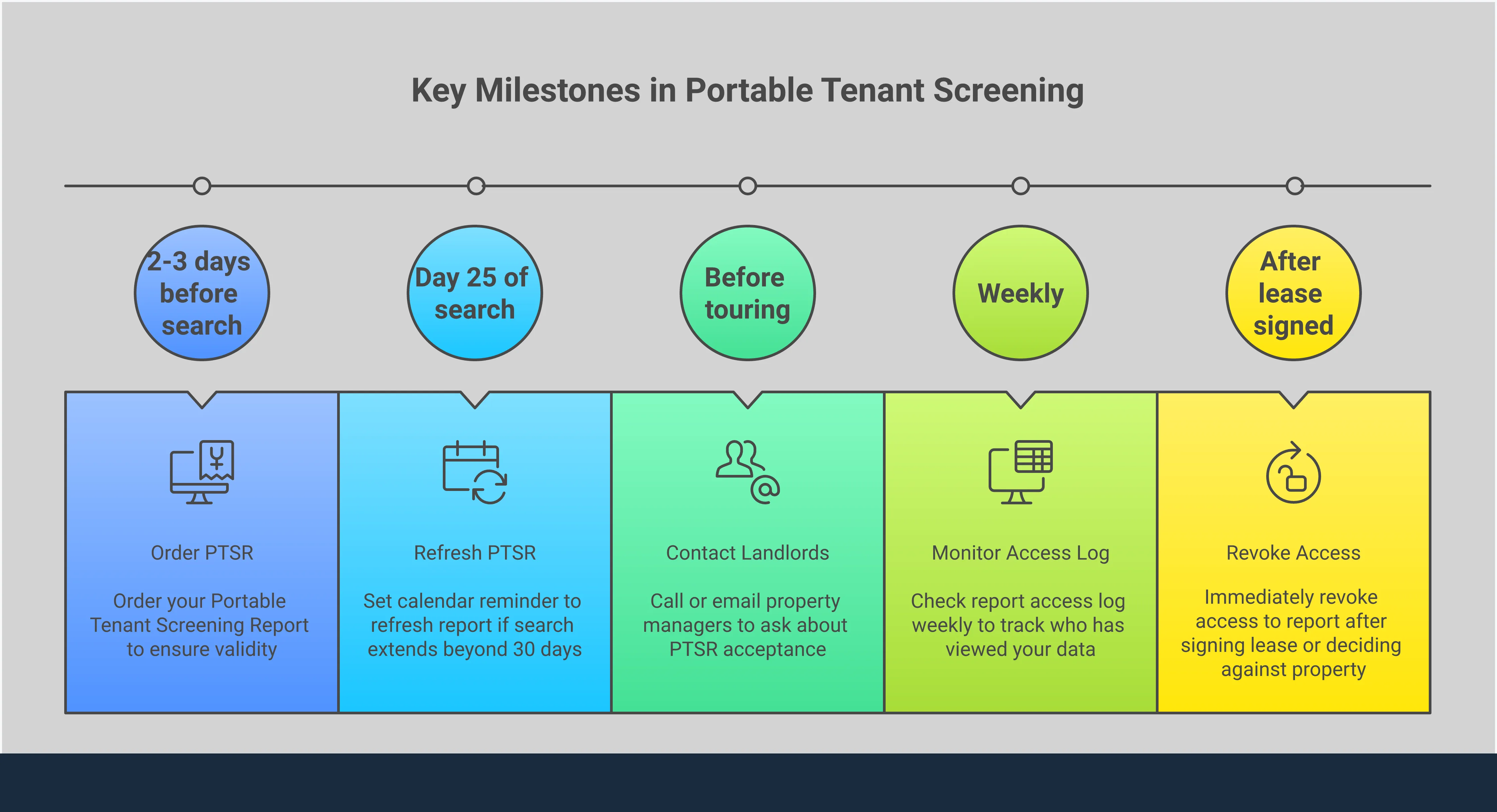
Think of your portable screening report as your complete rental resume, ready to go before you even start touring apartments. The first step is to sign up with a secure, compliant provider. You’ll provide your personal details and authorize the service to run the necessary checks, including pulling your credit data from a major bureau like Experian and scanning national databases for criminal and eviction records. The whole process is done online and is designed to be quick and painless. Once you complete this step, you’ll have a comprehensive, verified report that you can use to confidently apply for your next home. This proactive approach shows landlords you’re a serious, organized applicant and gives you a clear picture of what they will see.
This is where the magic happens. Once your report is generated, you don’t have to fill out a new background check form for every single apartment. Instead, you can share your single, verified report with as many landlords as you like for up to 30 days. Most services provide a secure digital link that you can include in your rental applications. This completely changes the game, especially in a competitive market. Instead of paying $30, $50, or even more per application, you pay a single fee for a report that works everywhere. This approach not only saves you money but also speeds up the application process, helping you secure your dream apartment faster.
Handing over your Social Security number and other sensitive data to multiple strangers can feel risky. Portable screening reports add a crucial layer of security to the process. Your personal identifying information is shared only with the secure screening provider, not with every landlord you apply to. Landlords simply receive the finished report. This minimizes your digital footprint and reduces the risk of your data being mishandled. Better yet, you maintain control. With a service like Portable Tenant, you can see who has viewed your report and even revoke access once you’ve signed a lease. This ensures your private information stays private, just as it should be.
A portable tenant screening report, or PTSR, isn't just another piece of paperwork; it’s a smarter way to handle the rental application process for everyone involved. For renters, it means less stress and more savings. For landlords, it means a more efficient and compliant screening process. Let's break down how this simple change makes a big difference.
If you’ve ever felt the sting of paying multiple application fees for apartments you didn't get, you’ll immediately see the appeal of a PTSR. The biggest win is saving money. You pay for one comprehensive report and can reuse it for multiple applications within a certain timeframe, typically 30 days. This streamlined process also saves you precious time during your housing search since your report is ready to go. Plus, you get more control over your personal information. You can review your own report, check it for errors, and decide exactly when and with whom you want to share it, putting you back in the driver's seat of your rental journey.
Landlords and property managers also gain a lot from accepting PTSRs. When a prospective tenant comes to you with a report in hand, it speeds up your screening timeline significantly. You get the information you need—like credit history, background checks, and eviction records—almost instantly. This efficiency reduces administrative work and helps you fill vacancies faster. Accepting a PTSR can also help you attract more qualified applicants by removing the financial barrier of multiple application fees. In states with specific PTSR laws, like Colorado or Illinois, accepting these reports is also a key part of staying compliant and avoiding potential fines, making it a smart business decision.
Portable Tenant Screening Reports are a fantastic tool for modernizing the rental process, but it’s smart to go in with your eyes wide open. While they save renters time and money and give landlords instant access to key information, it's helpful to understand their limitations to make the most of them. Think of this less as a list of cons and more as a practical guide to being prepared. By knowing what to look out for, both renters and landlords can ensure the application process is smooth, secure, and fair for everyone involved.
The key is to remember that a PTSR is one important piece of the application puzzle, not the entire picture. A little extra communication and verification can go a long way in building trust between a landlord and a potential tenant. For renters, it means being proactive and transparent. For landlords, it means using the report as a strong starting point while still performing your usual due diligence. When used correctly, these reports streamline everything, but awareness of these potential issues is what makes the system truly effective and helps avoid any misunderstandings down the line.
A PTSR is a snapshot in time, and a person’s financial or employment situation can change quickly. While reports are generally considered current for 30 days, a renter could change jobs or have a shift in income within that window. For landlords, this means it’s still wise to do your own due diligence. A quick call to an employer to verify current status is a simple, smart step. For renters, if you know something significant has changed since you ran your report, it’s best to be upfront about it with a potential landlord. This transparency builds trust and shows you’re a responsible applicant. A recent report is a strong foundation, but confirming the details is always a good practice.
Not all screening reports are created equal. Some may not include a complete eviction history or other details a landlord needs to make an informed decision. This is why it’s so important to use a trusted, comprehensive service that pulls data from reliable sources. Landlords should also be aware of the potential for fraudulent documents. If a report looks altered or has odd formatting, take a moment to verify the information independently. A quick call to a past landlord or a cross-check of the details can help ensure the report is legitimate. Using a [trusted screening service](www.portabletenant.com/post/ best-portable-tenant-screening) that delivers the report directly to you is the best way to avoid this issue altogether.
While states like Colorado have laws requiring landlords to accept PTSRs, that isn’t the case everywhere. In many places, acceptance is still at the landlord's discretion. Some property managers are simply unfamiliar with how portable reports work, while others may have a long-standing process they prefer to stick with. As a renter, the best thing you can do is ask upfront. Before you even fill out an application, a simple question like, "Do you accept portable tenant screening reports?" can save you time, money, and frustration. For landlords new to the concept, learning about the benefits can help streamline your own leasing process and attract more qualified applicants.
The rules around Portable Tenant Screening Reports (PTSRs) are popping up in more states, but they aren't the same everywhere. This is a relatively new area of rental law, and it’s important for both renters and landlords to understand the specific regulations in their state. Some states have made it mandatory for landlords to accept these reports, while others have simply created a legal framework that allows for their use. Knowing the difference can save you time, money, and a lot of confusion during your apartment search. As more states recognize the benefits of a streamlined, renter-driven application process, we'll likely see these laws continue to evolve.
If you're renting in Colorado, you're in luck. The state has a renter-friendly law that requires landlords to accept a valid PTSR. This means you can get one comprehensive report and reuse it for multiple applications within a 30-day window. Landlords cannot charge you an additional application fee or a separate fee for their own background check if you provide a compliant report. This law is a game-changer for renters, as it directly addresses the high cost of applying to several different properties. For landlords, understanding this requirement is key to staying compliant and creating a smoother application process for prospective tenants.
California takes a different stance on portable screening. While PTSRs are legally recognized, landlords are not required to accept them. It's completely optional. This means that before you pay for a report, you should always ask the property manager or landlord if they accept reusable screening reports from third-party providers. If they do, you can save on application fees, but you can't assume they will. Most reports in California are considered valid for 30 days, similar to other states. For California renters, a PTSR is still a great tool, but it requires a little more communication upfront to make sure it will be accepted.
Colorado and California aren't the only states with PTSR laws. A growing number of states are implementing their own versions, including Illinois, Maryland, Rhode Island, and Washington. The specifics of these laws vary—some lean toward Colorado's mandatory acceptance, while others follow California's optional model. Because the regulations are new and can differ greatly, it's crucial to check the specific laws in your area. This trend shows a clear shift toward giving renters more control over their personal information and making the rental process more efficient for everyone. You can learn more about how it works to see if a PTSR is the right fit for your next move.
Portable tenant screening reports are a fantastic tool for renters, but like any new technology, there are a few misconceptions floating around. Getting the facts straight can save you time, money, and a lot of headaches during your apartment search. Let's clear up some of the most common myths so you can use your report with confidence and make your rental application process as smooth as possible. Understanding what a PTSR is—and what it isn’t—is key to getting the most out of it.
It would be great if every landlord accepted a PTSR, but that’s not always the case. While states like Colorado have laws requiring landlords to accept them, the rules vary significantly from one place to another. In other states, acceptance is completely optional and up to the individual landlord or property manager. Before you pay an application fee, your best move is to simply ask if they accept portable reports. This quick conversation can save you from applying to a place that won’t consider your PTSR. For landlords who are new to the concept, our platform explains exactly how it works for them and ensures full compliance.
Many people think a PTSR is a one-and-done document that lasts forever, but it has a shelf life. Most portable reports are valid for 30 days. This is to ensure the information, like your credit history and income verification, is current and accurate for landlords. There’s also a cost involved, usually a single fee that covers creating the report. While it’s not free, paying once for a report you can reuse for a month is much more affordable than paying separate application fees for every apartment you like. You can see a clear breakdown of our pricing and what’s included before you commit.
A comprehensive PTSR gives landlords a deep look into your financial and rental history, but it’s a snapshot in time. It’s a myth that it replaces all other forms of verification. Most landlords will still want to confirm your current employment or check your references directly. Think of the report as the foundation of your application, not the entire building. It streamlines the process by providing verified credit, criminal, and eviction histories all at once. Our reports are incredibly thorough, covering everything from income verification to rental history, but landlords will always perform their own due diligence.
With more portable screening options available, it’s important to know what to look for. Not all services are built the same, and choosing a reliable one is the key to a smooth and secure rental application process. Whether you’re a renter trying to save money or a landlord looking for trustworthy information, picking the right service ensures the report is comprehensive, compliant, and secure. A great PTSR provider simplifies the process for everyone involved, building a foundation of trust from the very beginning.
A quality Portable Tenant Screening Report should be more than just a simple background check. Look for a service that provides a complete picture, including a credit report from a major bureau like Experian, a nationwide criminal and eviction history, and income verification. This ensures landlords have the information they need to make a confident decision. Equally important is legal compliance. The provider must adhere to all federal, state, and local housing laws. A compliant service helps you understand how the process works from start to finish, giving you peace of mind that your application is being handled correctly and fairly.
One of the main draws of a PTSR is saving money, so pricing is a big factor. A comprehensive report typically costs between $30 and $60. Be wary of services that are unusually cheap or have hidden fees. You should also check the report's validity period. Most PTSRs are valid for 30 days, which gives you a month to apply for multiple properties with a single report. For landlords in states like Colorado, remember that you must accept a valid PTSR and cannot charge an additional application fee. Look for a provider with clear, transparent pricing so you know exactly what you’re paying for.
You’re sharing sensitive personal information, so security is non-negotiable. Choose a PTSR service that uses bank-level security to protect your data. A legitimate provider will never send a report as a simple PDF or screenshot, as those can be easily altered. Instead, they should provide a secure, shareable link that allows landlords to verify the report directly from the source. As a renter, you should also have complete control over your information, with the ability to grant and revoke access at any time. This ensures your private data stays private and is only seen by the people you authorize.
A Portable Tenant Screening Report (PTSR) can be your golden ticket in a competitive rental market, saving you time and money on application fees. But just having one isn’t enough—you need to use it strategically. Think of your PTSR as your rental resume; you want it to be polished, professional, and perfectly suited for the job. By following a few simple best practices, you can make sure your report works for you, helping you stand out to landlords and land the apartment you want. Here’s how to make your PTSR as effective as possible.
Before you share your report with anyone, your first step is to play the role of a detective. Review every single detail to ensure it's accurate and complete. A PTSR is a comprehensive look at your rental qualifications, including your credit history, criminal background, and past rental experiences. An error, no matter how small, can cause confusion or lead a landlord to pass on your application. Make sure all your personal and financial details are correct. If you find a mistake, work with the screening provider to correct it immediately. A clean, accurate report shows landlords that you’re responsible and detail-oriented—exactly the kind of tenant they’re looking for.
In the world of rental applications, fresh information is everything. Landlords need to see your most recent financial and personal status to make an informed decision. Because a PTSR is valid for 30 days, you should always get the most recent version and update it before sharing it with a new property manager. If your apartment search stretches beyond a month or if your financial situation changes (like getting a new job or paying off a loan), it’s wise to generate a new report. Submitting an outdated report can look sloppy or, worse, like you’re trying to hide something. Keeping your information current demonstrates transparency and helps build trust from the start.
This simple step can save you a lot of headaches. Before you pay an application fee or even tour a property, ask the landlord or property manager if they accept PTSRs. While states like Colorado require landlords to accept them, the rules vary elsewhere. A quick email or phone call is all it takes to confirm their policy. This proactive communication shows that you’re an organized and considerate applicant. Be prepared to provide other documents if needed, but leading with your PTSR can streamline the process. Understanding a landlord’s requirements upfront ensures a smoother experience for everyone and prevents you from wasting time on properties that aren’t a good fit.
Navigating the rental market can feel like a maze, but portable tenant screening reports (PTSRs) are designed to simplify at least one part of it. The rules surrounding these reports aren't just suggestions; they're often backed by state laws created to make the application process fairer and more transparent for everyone involved. Understanding these legal details helps you know your rights as a renter and what to expect from landlords. It’s all about ensuring a level playing field, where your information is handled correctly and you’re not paying unnecessary fees.
The first thing to know is that the rules for PTSRs can change dramatically depending on where you live. Some states have gone all-in, while others are just dipping their toes in the water. For example, in Colorado, landlords are legally required to accept a valid PTSR from a prospective tenant and cannot charge an additional application fee. However, in other states, accepting a PTSR is completely optional for landlords. Because the landscape is always changing, it’s a good idea to get familiar with your local landlord-tenant laws to understand what’s required versus what’s simply allowed in your area.
These laws aren't just for landlords; they give you important rights as a renter. Many states now require landlords to be completely transparent about their screening process, including what criteria they use to approve or deny applicants. If a landlord decides not to move forward with your application based on your report, you have the right to review it to check for any errors. This transparency is a core part of how the PTSR process works, giving you more control and insight. It ensures you’re not left in the dark and can correct any inaccuracies that might be holding you back.
One of the biggest perks of using a PTSR is saving money on application fees. In states where landlords must accept them, they generally cannot charge you their own application fee if you provide a valid report. However, a landlord can still deny your application or reject the report itself for specific reasons. A report might be considered invalid if it’s more than 30 days old, is missing key information like income verification, or doesn’t meet the landlord’s stated screening criteria. Understanding the cost of a single report versus multiple application fees makes it clear why knowing these rules is so important for your budget.
Can a landlord refuse to accept my portable screening report? This really depends on where you live. In states like Colorado, the law requires landlords to accept a valid portable report. In many other places, however, it’s up to the landlord’s discretion. Your best strategy is to always ask the property manager about their policy before you apply. A quick question upfront can save you time and ensure your application process goes smoothly.
How is a PTSR more secure than traditional background checks? The biggest security advantage is control. In the traditional process, you hand over sensitive information like your Social Security number to multiple landlords, increasing the risk of your data being mishandled. With a portable report, you only provide that information once to a secure, verified service. Landlords then receive the finished report through a secure link, not your raw personal data. You can even see who has viewed your report and revoke access once you’ve found a home.
What should I do if I find an error on my report? If you spot a mistake, you should contact the screening provider immediately to get it corrected. This is one of the key benefits of getting your own report—you get to review it for accuracy before a landlord ever sees it. A clean, correct report presents you as a responsible and organized applicant, so taking the time to fix any errors is a crucial step.
How much does a PTSR cost and how long is it valid? You’ll typically pay a one-time fee for the report, which is then valid for 30 days. This allows you to share it with as many landlords as you like during that month-long window. While it isn't free, paying once for a reusable report is almost always more affordable than paying separate, non-refundable application fees for every single property you're interested in.
Does using a PTSR guarantee I'll get the apartment? A strong portable screening report makes you a much more competitive applicant, but it doesn't guarantee you'll be approved. Landlords consider your entire application, which includes things like your references, employment verification, and sometimes an in-person meeting. Think of your PTSR as the foundation of your application—it proves you’re a qualified and serious candidate, making it much easier for a landlord to say yes.