
Applying for an apartment often feels like an expensive, repetitive chore. You spend time and money on application fees, handing over your most sensitive personal information again and again. But what if you could do it all just once? The traditional screening model is inefficient for everyone. At the center of it is the consumer reporting agency tenant background check, a process that often leaves renters in the dark and creates administrative burdens for landlords. This guide explains why this system is flawed and how a modern, portable approach puts you in control. We’ll cover how you can save money, protect your data, and turn your application into a powerful tool that makes you stand out to landlords.
Let's talk about a term you'll see a lot in the rental world: Consumer Reporting Agency, or CRA. It sounds official, but the concept is pretty straightforward. A CRA is simply a company that gathers and provides information about consumers. This information is then used to create reports on things like your creditworthiness, character, and personal history. If you've ever applied for a credit card, a loan, or even a job, you've interacted with the work of a CRA, even if you didn't realize it at the time.
So, why does this matter for your rental application? Because the companies that provide tenant background checks are considered CRAs. This means they operate under a set of federal rules called the Fair Credit Reporting Act (FCRA). The FCRA is a big deal—it’s designed to protect consumers by ensuring the information in their reports is accurate and their privacy is respected. For landlords, working with a CRA that understands and follows these rules is non-negotiable. It’s the foundation of a fair and legal screening process, protecting both you and your potential tenants from costly mistakes and legal headaches. For renters, it means you have rights and a process for correcting errors. Understanding the role of a CRA is the first step to a smoother, more transparent rental experience for everyone involved.
When a landlord uses a service to check your background, the report they receive is officially a "consumer report" under the FCRA. This designation is important because it comes with strict guidelines. The screening company (the CRA) is responsible for ensuring the data is as accurate as possible. For landlords, this means you also have responsibilities. If you decide not to rent to someone based on information in their report, you can't just say "no." You must give the applicant a copy of the report and a notice of their rights, which gives them a chance to dispute any inaccuracies. This transparency is a core part of the law.
Not all CRAs are the same. The term covers a few different types of companies, each with a specific focus. You’re probably familiar with the big three credit bureaus (Experian, Equifax, and TransUnion), which focus on your financial history. Other agencies specialize in employment background checks for hiring.
Then there are tenant screening agencies, which are built specifically for the rental market. These companies pull together the information landlords need to make informed decisions, like credit history, past evictions, and criminal records. A reputable screening service will compile this data into a single, easy-to-read report, ensuring all the information is gathered and presented in a way that complies with federal law. This specialization helps landlords get the right information while respecting applicant rights.
When a landlord runs a background check, they’re not just looking at one single piece of information. They’re pulling together a comprehensive report from a few different sources to get a full picture of who you are as a potential renter. Think of it as a resume for your rental life. Each section gives them clues about your reliability, financial stability, and whether you’d be a good fit for their property. Understanding what’s in this report helps you prepare and ensures there are no surprises along the way.
A credit report is a standard part of almost every tenant screening. It gives landlords a snapshot of your financial habits, including your credit score, payment history, and any outstanding debts. But a good landlord knows that a credit score alone doesn't tell the whole story. Relying only on that number overlooks other important factors, like a stable employment history or a healthy debt-to-income ratio. A comprehensive screening report provides this fuller picture, helping landlords make a more informed and fair decision based on your overall financial health, not just a single number.
Another key component is the criminal background check, which searches national and local databases for any past criminal convictions. It’s important to know that landlords can’t use this information to apply a blanket policy of denying anyone with a criminal record. According to fair housing guidelines, they must consider the nature of the offense, how long ago it occurred, and whether it’s relevant to your ability to be a good tenant. This ensures that everyone gets a fair evaluation and that past mistakes don’t automatically disqualify you from finding a home.
Your rental history is one of the best predictors of your future behavior as a tenant. This part of the report details your previous addresses and, most importantly, flags any past evictions. An eviction filing is a major red flag for landlords, as it suggests a history of breaking a lease agreement or failing to pay rent. Landlords review this section carefully to make sure you have a track record of being a reliable tenant who pays on time and respects the property. It’s a crucial step for them to protect their investment and ensure a positive relationship from the start.
Finally, landlords need to confirm that you can afford the rent. Income and employment verification does just that. They’ll typically ask for recent pay stubs or contact your employer to confirm your job status and salary. Most landlords look for a monthly income that is about three times the rent, though this can vary. This step isn’t about judging your career choices; it’s a practical measure to ensure you won’t be financially overextended by the monthly rent payments. This helps create a stable tenancy that works for both you and the landlord.
If you’re a landlord, the Fair Credit Reporting Act (FCRA) is one of the most important regulations you need to know. This federal law was designed to promote accuracy, fairness, and privacy of information in the files of consumer reporting agencies (CRAs). When you use a tenant screening report to make a decision about an applicant, you’re using a consumer report, which means you have to follow the rules set by the FCRA.
Think of the FCRA as the rulebook for handling sensitive applicant information. It ensures that renters are treated fairly and have a chance to correct any errors in their reports. For landlords, following these rules isn’t just good practice—it’s the law. Staying compliant protects you from serious legal trouble, like hefty fines and lawsuits, and helps you build a foundation of trust with your future tenants from day one. It shows you're a professional who respects their rights and operates an ethical business. Understanding your obligations under the FCRA is the first step to a smoother, more secure screening process for everyone involved. Let’s break down exactly what you need to do.
At its core, the FCRA requires you to have a legitimate reason for pulling someone’s consumer report. In the rental world, this is called a "permissible purpose." Screening a potential tenant for a lease is a perfectly valid reason, but you can only use the information for that specific purpose. You can’t, for example, share the report’s findings with anyone else or use it for a non-rental decision. It’s also your responsibility to work with a screening company that is fully FCRA-compliant. This ensures the data you receive is obtained legally and is as accurate as possible, which helps you make informed decisions while protecting you from potential legal issues. Using a service built for landlords is the easiest way to meet this requirement.
You can’t run a background check without the applicant’s express permission. The FCRA is very clear on this: you must get clear, written consent before you proceed. This isn’t just a box they check on the application. You need to provide a separate, easy-to-read document that explicitly states you’ll be running a background check and that the results could influence your rental decision. This disclosure must be standalone, not buried in the fine print of a lengthy rental agreement. By getting this consent, you’re also certifying to the screening company that you’ve followed all the necessary legal steps and won’t use the information to discriminate. Transparency is key here, and it sets a positive tone for your entire landlord-tenant relationship.
If you decide to deny an applicant, charge a higher security deposit, or take any other unfavorable action based on information in their screening report, you must send them an "adverse action notice." This is a formal notification that explains your decision. The notice has to include the name and contact information of the screening agency you used, a statement that the agency didn’t make the decision and can’t explain why it was made, and information on the applicant’s right to dispute any inaccurate information in the report. This process gives applicants a fair chance to see what was reported about them and correct any potential errors. The entire screening process is designed to protect both you and the applicant, and this final step is a critical piece of that protection.
The Fair Credit Reporting Act (FCRA) is more than just a set of rules; it’s your protection as a renter. This federal law ensures that the information used in your background check is accurate and handled fairly. When a landlord uses a consumer report to screen you, the FCRA gives you specific rights to make sure you’re not being judged on incorrect information. Think of it as a system of checks and balances for the rental process. Understanding these protections is the first step to a smoother, more transparent apartment hunt, giving you the confidence to address any issues that might come up.
You have an absolute right to know what’s being said about you. Under the FCRA, you can ask for a copy of the background check report that a landlord uses. The companies that compile these reports are required to have reasonable procedures to ensure the information is as accurate as possible. By reviewing your own report, you can double-check everything from your credit history to public records. This is a key part of your rights as a tenant, as it allows you to be an active participant in the screening process rather than just a subject of it.
Found a mistake in your report? Don’t worry, you have the power to fix it. The FCRA gives you the right to dispute any information you believe is inaccurate or incomplete. You can file a dispute directly with the consumer reporting agency that created the report. They are legally required to investigate your claim—usually within 30 days—and correct any information that is found to be erroneous. It’s a good idea to provide any documents or evidence you have to support your claim. Acting quickly to dispute inaccurate information ensures that a simple mistake doesn’t stand between you and your next home.
If a landlord turns down your rental application based on information in your background check, you are not left in the dark. The law requires the landlord to inform you of this decision, and you are entitled to a free copy of the specific report they used. This is a critical protection because it gives you the chance to see exactly what led to the denial. You can then review the report for errors and begin the dispute process if you find any. This right ensures you have the opportunity to understand the landlord's decision and take steps to correct the record for future applications.
Running a background check is a standard part of the rental process, but it comes with serious legal responsibilities. To protect your business and treat applicants fairly, you need to follow a few key rules. Think of it less as a hurdle and more as a roadmap for a smooth, compliant screening process that respects everyone involved. Getting this right from the start builds trust and prevents legal headaches down the road. Here’s exactly what you need to do to run a background check the right way.
First things first: you absolutely must get an applicant's written permission before you run a background check. This isn't just a courtesy; it's a strict requirement under the Fair Credit Reporting Act (FCRA). The consent needs to be clear and standalone, not buried in the fine print of a lease agreement. The easiest way to handle this is by including a distinct authorization section on your rental application that the applicant must sign. This simple step confirms they are aware of and agree to the screening, providing you with the legal green light to proceed and creating a transparent process for the applicant.
The law also requires you to have a valid reason, or a "permissible purpose," for pulling someone's background information. Fortunately, using a report to evaluate a rental application is a clear and accepted purpose. However, you must use the information only for that reason. You can't run a check on a potential tenant out of simple curiosity or for any reason unrelated to their housing application. This rule is in place to protect consumer privacy and ensure their sensitive data is only used for legitimate business needs. Sticking to your permissible purpose is a core part of staying compliant and building a fair screening system.
You don't have to be a legal expert on tenant screening, but you do need to partner with one. It’s crucial to work with a consumer reporting agency (CRA) that is fully compliant with the FCRA. These agencies understand the complex federal, state, and local laws governing background checks, ensuring the reports you receive are both accurate and legally obtained. Using a non-compliant service can expose you to significant legal risks. A professional screening partner like Portable Tenant handles the compliance details for you, so you can confidently make decisions based on reliable, lawfully sourced information. This partnership is your best defense against potential disputes.
Tenant screening is one of the most important steps in the rental process, but it’s also where things can easily go wrong. A few common missteps can not only lead you to choose the wrong tenant but can also land you in legal trouble. For renters, these mistakes can feel unfair and create unnecessary hurdles. The good news is that most of these errors are completely avoidable. By understanding the rules and approaching screening with a clear, consistent process, landlords can protect their investment, and renters can ensure they’re being evaluated fairly. Let’s walk through some of the most frequent screening mistakes and how to steer clear of them.
It might seem like a simple way to reduce risk, but having a blanket policy to deny anyone with a criminal record is a major mistake. Not only is it often illegal, but it also fails to consider individual circumstances. While landlords can check for criminal records, they must use this information fairly. A past mistake doesn't automatically make someone a bad tenant. Instead of a flat-out ban, the best practice is to conduct an individualized assessment. Consider the nature of the crime, how long ago it occurred, and whether it’s relevant to their ability to be a good tenant. Following HUD guidance on this topic can help you avoid discrimination claims under the Fair Housing Act.
No background check is perfect. Errors can and do happen, from simple typos to cases of mistaken identity. That’s why you should never take a screening report at face value without giving the applicant a chance to explain any red flags. The Fair Credit Reporting Act (FCRA) requires screening companies to "take reasonable steps to ensure the information in your report is accurate," but mistakes can still slip through. If something seems off, open a dialogue with the applicant. For renters, this is why it’s so important to review your own reports before you even start applying. If you find an error, you have the right to dispute it directly with the reporting agency.
The tenant screening process is regulated by federal law, and cutting corners on paperwork can lead to serious penalties. Before you run a background check, you must get clear, written consent from the applicant. You can’t just bury it in the fine print of a rental application. Furthermore, if you decide to deny an applicant based on information in their report, you are legally required to send them an adverse action notice. This notice must include the contact information for the screening company you used and inform the applicant of their right to get a free copy of the report and dispute any inaccurate information. It’s a crucial step that ensures transparency and gives applicants a fair chance.
This is one of the most frustrating—and common—errors in tenant screening. Imagine two people named Maria Garcia living in the same city. One has a perfect rental history, while the other has multiple evictions. It’s surprisingly easy for a screening report to pull data for the wrong person if it relies only on a name. This is why it’s critical to use a screening service that verifies identity using multiple data points, like a Social Security number and date of birth. For landlords, this prevents you from unfairly disqualifying a great applicant. For renters with common names, it’s another compelling reason to use a portable screening report that you control, ensuring the information attached to your name is actually yours.
Running a background check seems like a straightforward step in the rental process, but the reality is much more complex. These reports are assembled from various databases, and the information isn't always up-to-date or even correct. For renters, an error can mean an unfair denial. For landlords, misinterpreting a report or failing to follow strict legal guidelines can lead to serious trouble.
The truth is, traditional background checks have some significant flaws. From ensuring the data is accurate to keeping up with ever-changing compliance laws and protecting sensitive personal information, there’s a lot that can go wrong. Understanding these potential pitfalls is the first step for both renters and landlords to protect themselves and make the screening process fairer and more efficient for everyone involved. Let's look at some of the most common issues.
You might assume that a background check is a perfect, factual record, but that’s rarely the case. These reports can contain errors, from simple typos to more serious mix-ups, like confusing you with someone who has a similar name. Under the Fair Credit Reporting Act, tenant background check companies are required to take reasonable steps to ensure accuracy and generally cannot report negative information that is more than seven years old.
However, mistakes still happen. Outdated eviction records that have since been resolved or criminal charges that were dismissed can sometimes linger on a report, creating a misleading picture for a potential landlord. As a renter, these inaccuracies can cost you a great apartment, and you might not even know why you were denied.
For landlords, staying compliant with screening laws is a full-time job. It’s not as simple as just denying an applicant based on a criminal record. In fact, having a blanket policy of rejecting anyone with a criminal history is not allowed under fair housing laws. Landlords must consider the nature of the offense, how long ago it occurred, and whether it’s relevant to the safety of the property and other tenants.
The rules don't stop there. Federal, state, and even city-level regulations dictate what you can ask, how you handle the information, and what steps you must take if you decide to deny an applicant. With laws constantly evolving, it’s a huge challenge for landlords—especially independent owners—to stay current and avoid accidental discrimination.
Every time a renter applies for an apartment, they hand over their most sensitive information: Social Security number, date of birth, address history, and more. In a competitive rental market, you might apply to five or ten different places, spreading your personal data across multiple platforms and landlords, each with varying levels of security. This significantly increases your risk of identity theft.
What’s more, a surprising number of both renters and landlords lack a full understanding of the laws governing this data. A system where the renter controls their own data and can share a single, secure report with multiple landlords is a much safer approach. It minimizes exposure and gives you peace of mind, knowing your information isn't being stored insecurely by multiple parties.
The rental application process can feel like you’re under a microscope, but it doesn’t have to be a source of stress. By taking a few proactive steps, you can approach any background check with confidence. Instead of waiting to see what a landlord finds, you can get ahead of the process, address any potential concerns on your own terms, and make sure your application is seen in the best possible light. It’s all about being prepared and knowing what to expect.
You’d be surprised how often errors pop up on credit and background reports. A simple typo or mixed-up file could cause a major headache during your apartment search. That’s why the first step is always to review your own information. Under the Fair Credit Reporting Act, you have the right to an accurate report, and reporting agencies are required to follow reasonable procedures to ensure that. Before you even start applying for places, pull your credit reports from the three major bureaus—Experian, Equifax, and TransUnion. If you spot any inaccuracies, dispute them immediately. Correcting these mistakes can take time, so doing this early prevents any last-minute surprises that could derail your application.
Life happens. Maybe you have a low credit score from a past medical bill, a previous eviction, or a criminal record. Hiding from these issues won’t make them go away. The best strategy is to address them head-on. Landlords appreciate honesty, and providing context can make a huge difference. Prepare a brief, professional letter explaining the circumstances around any blemishes on your record. Show them you’ve taken steps to resolve the issue and that it’s not a reflection of the tenant you are today. It’s also important to know that landlords can’t use a blanket policy to deny every applicant with a criminal record. By understanding your rights, you can better advocate for yourself and present a complete picture.
Knowledge is power, especially when it comes to tenant screening. A surprising number of both renters and landlords don't fully know the laws governing the application process. For example, the Fair Credit Reporting Act (FCRA) sets limits on how long most negative information can stay on your report. In most cases, things like late payments or accounts in collection can only be reported for seven years. Knowing these rules helps you scan your report not just for errors, but for outdated information that shouldn't be there. If a landlord denies your application based on the report, you have the right to see it and dispute any inaccuracies. By educating yourself on your protections, you ensure you’re treated fairly and that your application is based on accurate, relevant, and timely information.
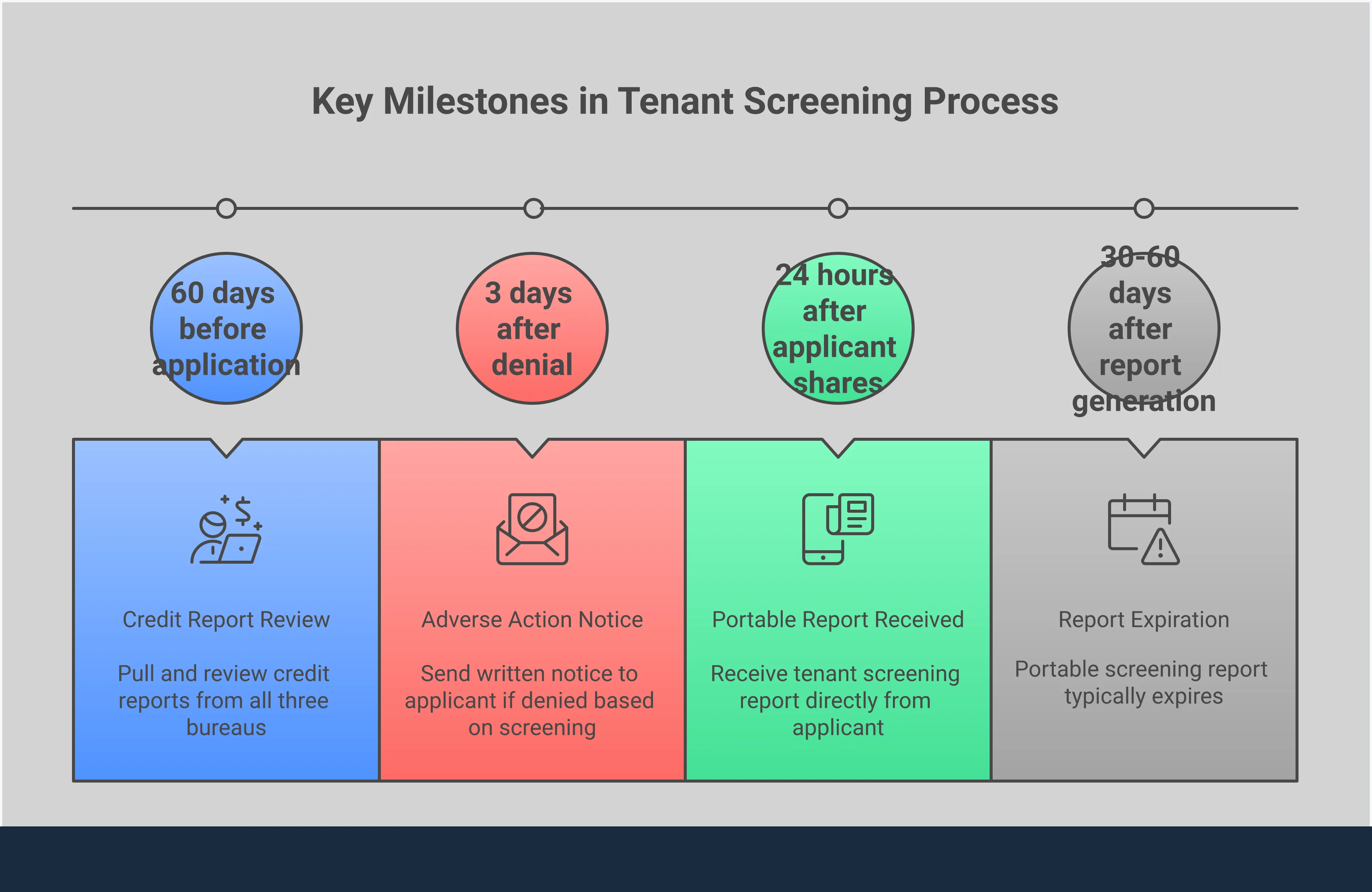
The traditional tenant screening process can feel like a broken record. For renters, it means filling out the same information and paying separate, non-refundable fees for every single application. For landlords, it involves waiting for reports to come back and managing sensitive personal data for multiple applicants. This repetitive cycle costs everyone time and money. But what if there was a way to streamline the entire experience?
That’s where portable tenant screening reports come in. This modern approach flips the script by putting a single, comprehensive, and reusable report in the hands of the renter. Instead of landlords initiating a new background check for every applicant, renters can purchase one detailed report and share it securely with multiple landlords. This simple change creates a more efficient, secure, and fair process for everyone involved. It’s a system built on transparency and control, designed to meet the needs of today’s rental market.
Imagine applying for five different apartments. In the traditional model, that could mean paying over $200 in separate application fees. With a portable report, you pay once for a comprehensive screening package that you can use for multiple applications, saving you a significant amount of money. This also speeds up your search, allowing you to submit your information to a landlord instantly. For landlords, the benefit is just as clear. You receive a complete, pre-verified report directly from the applicant, which cuts down on administrative work and wait times. This efficiency allows you to fill vacancies faster with qualified tenants without the hassle of managing payments and running individual checks.
For landlords, staying compliant with the Fair Credit Reporting Act (FCRA) is non-negotiable. Working with a reputable portable screening service ensures the reports you receive are FCRA-compliant and that the data is handled securely. These services take reasonable steps to ensure the information is accurate and up-to-date. For renters, the biggest advantage is control. You get to see your report before sharing it and decide which landlords have access to your personal information. With services like Portable Tenant, you can even revoke access instantly, giving you complete authority over your sensitive data throughout your housing search.
A reusable report puts you, the renter, in the driver's seat. You get to review your own credit, criminal, and eviction history before a landlord ever sees it. This gives you the chance to dispute any inaccurate information and prepare to discuss any potential concerns with a landlord proactively. Having a verified report ready to go makes you a more competitive applicant, showing landlords that you are organized and serious about the property. It transforms the application process from a series of hurdles into a straightforward path toward securing your next home, giving you the confidence and agency you deserve.
What’s the first thing I should do if I know I have a blemish on my record, like a low credit score? The best approach is to be upfront and prepared. Before you even apply, write a brief, honest letter of explanation that you can submit with your application. This gives you the chance to provide context around the issue, whether it was a past medical bill or a tough financial period. You can also show that you’ve taken steps to improve the situation. Pairing this with strong references from previous landlords or employers can show that a single number doesn't define you as a tenant.
As a landlord, can I just use any background check service I find online? You need to be very careful here. Not all background check services are created equal, and many are not compliant with the Fair Credit Reporting Act (FCRA) for tenant screening purposes. Using a non-compliant service, even accidentally, can expose you to serious legal risk. Your best bet is to partner with a company that specializes in tenant screening, as they are built to follow the specific federal, state, and local laws that govern how you can use an applicant's information.
How long does negative information stay on my background check? The Fair Credit Reporting Act sets limits on how long most negative information can be reported. For things like late payments, collections, and civil judgments, the timeline is typically seven years. A Chapter 7 bankruptcy can stay on your report for up to ten years. However, it's important to know that criminal convictions can often be reported indefinitely, though some states have their own rules that may limit this.
What if a landlord denies my application without giving me a reason? If a landlord rejects your application because of something in your background check, they are legally required to tell you. This is called an adverse action notice. The notice must state that information in your report was a factor, provide the name and contact information of the screening company they used, and inform you of your right to get a free copy of that report. If you suspect you were denied based on a report but didn't receive a notice, you can and should follow up to ask for one.
Why would I pay for my own screening report? Shouldn't the landlord cover that? While landlords traditionally handle the cost, paying for your own portable report actually puts you in a much stronger position. Instead of paying a separate, non-refundable application fee for every apartment you see, you pay once for a comprehensive report that you can share with multiple landlords. This saves you money in a competitive market. It also gives you control over your sensitive data and allows you to review your information for errors before a landlord ever sees it, making your entire apartment search smoother and more secure.